Modern games seem to demand more graphics memory than ever before. Titles like Black Myth: Wukong, Monster Hunter Wilds, Clair Obscur: Expedition 33 and the latest AAA releases like Grand Theft Auto VI often recommend GPUs with 8GB, 12GB, or even 16GB of VRAM. But why has VRAM become so important, and what exactly is using all that memory?
In this guide, we'll explain what VRAM does, why modern games consume more of it, and how much you actually need for smooth gaming in 2026.
What Is VRAM?
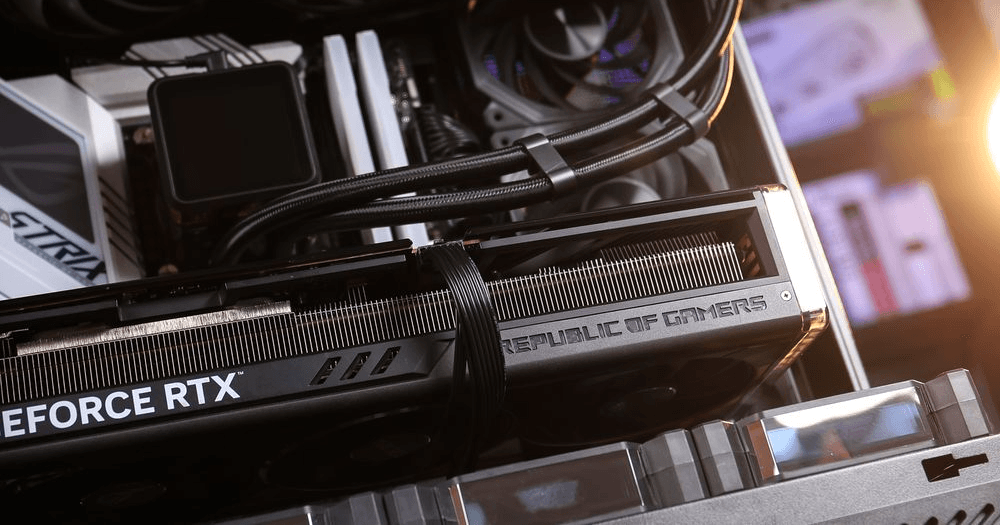
VRAM (Video Random Access Memory) is dedicated memory built directly into your graphics card. Unlike system RAM, VRAM stores graphics-related data that the GPU needs immediate access to, including textures, shaders, geometry, frame buffers, and lighting information.
The more data a game needs to render at once, the more VRAM it consumes.
Why Do Modern Games Use More VRAM?
Several advances in game development have dramatically increased VRAM requirements.
Higher Resolution Textures
Game textures have become significantly more detailed.
While older games often used 2K textures, many modern AAA titles now include 4K or even 8K texture assets. These high-resolution textures occupy much more graphics memory.
Larger Open Worlds
Open-world games continuously stream new environments, buildings, characters, and objects while you explore.
Keeping these assets ready inside VRAM allows games to reduce loading interruptions and create seamless worlds.
Ray Tracing
Ray tracing introduces realistic reflections, shadows, and global illumination.
These visual effects require additional data and increase VRAM usage considerably compared to traditional rasterized graphics.
More Complex Graphics Effects
Modern games feature advanced particle systems, volumetric fog, dynamic weather, realistic vegetation, and detailed character models.
Each of these effects requires additional graphics memory.
What Happens When You Run Out of VRAM?
Running out of VRAM doesn't usually crash a game immediately, but it often leads to noticeable performance problems.
Common symptoms include:
Sudden FPS drops
Severe stuttering
Texture pop-in
Delayed texture loading
Longer loading times
When VRAM becomes full, the GPU must temporarily move data to system memory, which is much slower than dedicated graphics memory.
How Much VRAM Do You Need in 2026?
The answer depends on your gaming resolution and graphics settings.
1080p Gaming
8GB is generally sufficient
12GB offers better longevity
1440p Gaming
12GB is recommended
16GB provides more headroom for future games
4K Gaming
16GB or more is becoming increasingly common for maximum settings and ray tracing.
As game assets continue to grow, larger VRAM capacities will become increasingly important for maintaining consistent performance.
Does More VRAM Always Mean Better Performance?
Not necessarily.
VRAM capacity is only one part of overall GPU performance.
A graphics card with more VRAM is not automatically faster. GPU architecture, shader performance, memory bandwidth, clock speeds, and cooling design all play equally important roles.
However, insufficient VRAM can become a performance bottleneck, especially in modern AAA games.
Final Thoughts
As graphics technology continues to evolve, VRAM has become one of the most important specifications when choosing a graphics card.
While more VRAM doesn't automatically deliver higher FPS, it helps modern games store larger assets, reduce stuttering, and maintain smoother gameplay. For anyone building a gaming PC in 2026, VRAM should be considered alongside GPU performance, cooling, and overall system balance.