Is a mesh or tempered glass PC case better for airflow? A mesh PC case is usually better for cooling, while a tempered glass case is better for showcasing your build.
The reason is simple: mesh panels let fans pull in more air with less resistance, while glass panels block direct airflow and force air to enter through side vents, bottom gaps, or narrower intake paths. That does not mean glass cases are bad. A well-designed tempered glass case can still cool modern hardware, but it usually needs smarter fan placement and more attention to airflow.
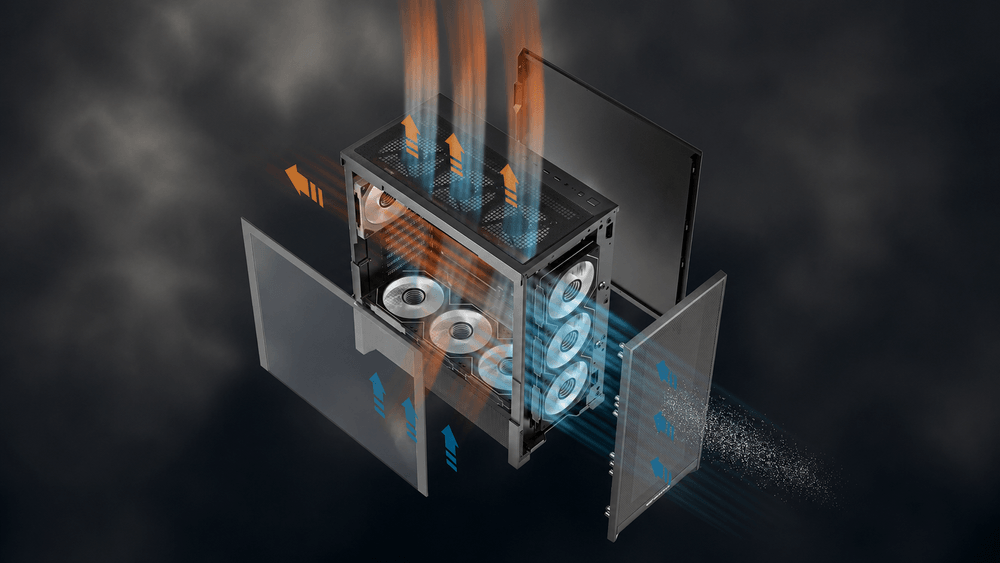
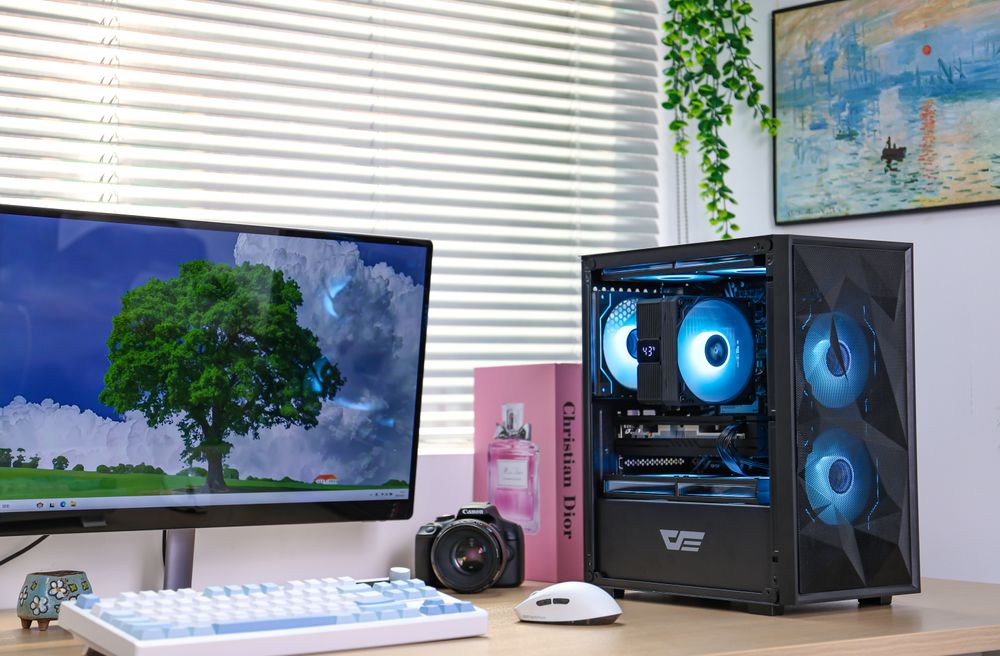
(darkFlash AIR400 E-ATX PC Case)
How Mesh Cases Affect CPU and GPU Temperatures
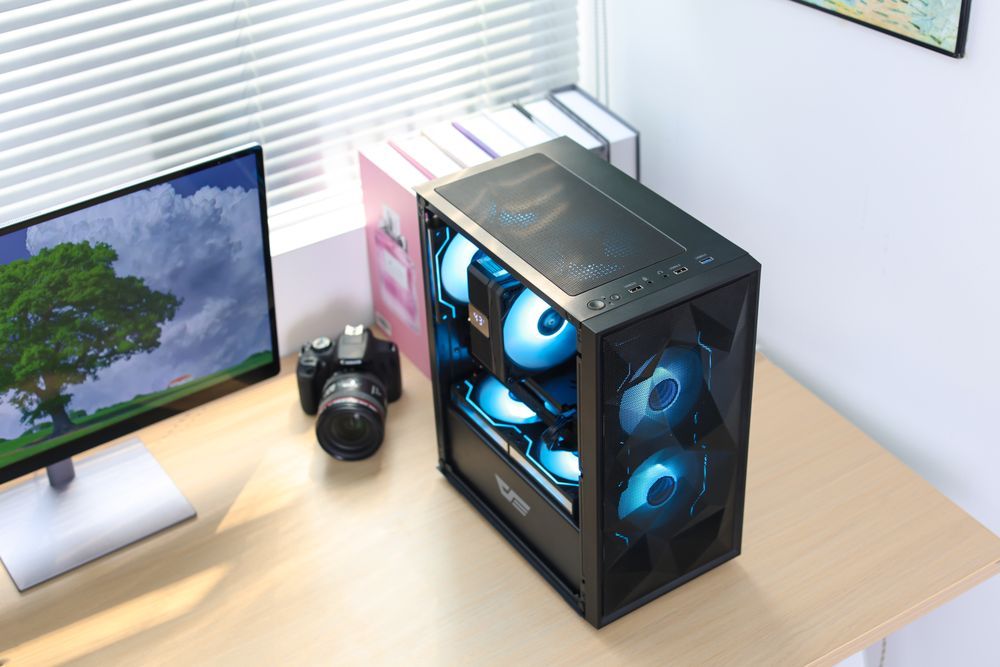
Mesh cases usually perform better because they allow front intake fans to feed cool air directly to the CPU cooler, GPU, motherboard VRM, and memory. This matters most when using high-power graphics cards, air-cooled GPUs, tower air coolers, or compact builds where components sit close together.
Testing from GamersNexus has repeatedly shown that less restrictive front panels can reduce temperatures noticeably compared with more closed-off glass designs. For gamers, the biggest benefit is often GPU temperature, because the graphics card is usually the hottest component inside the case during gaming.
Are Tempered Glass Cases Bad for Cooling?
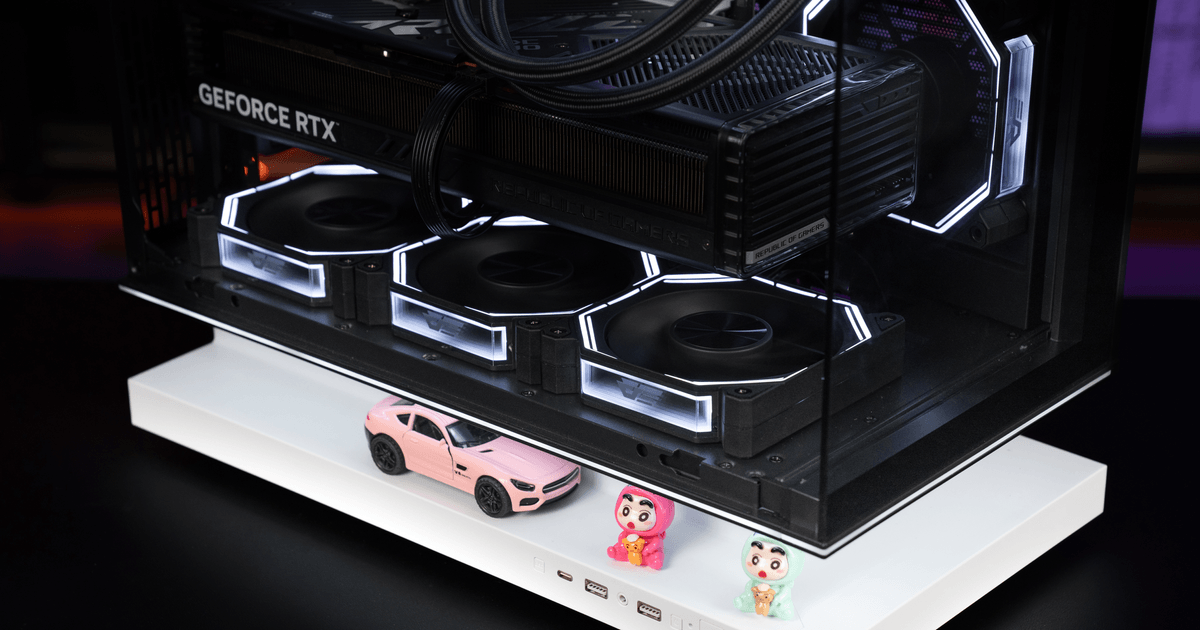
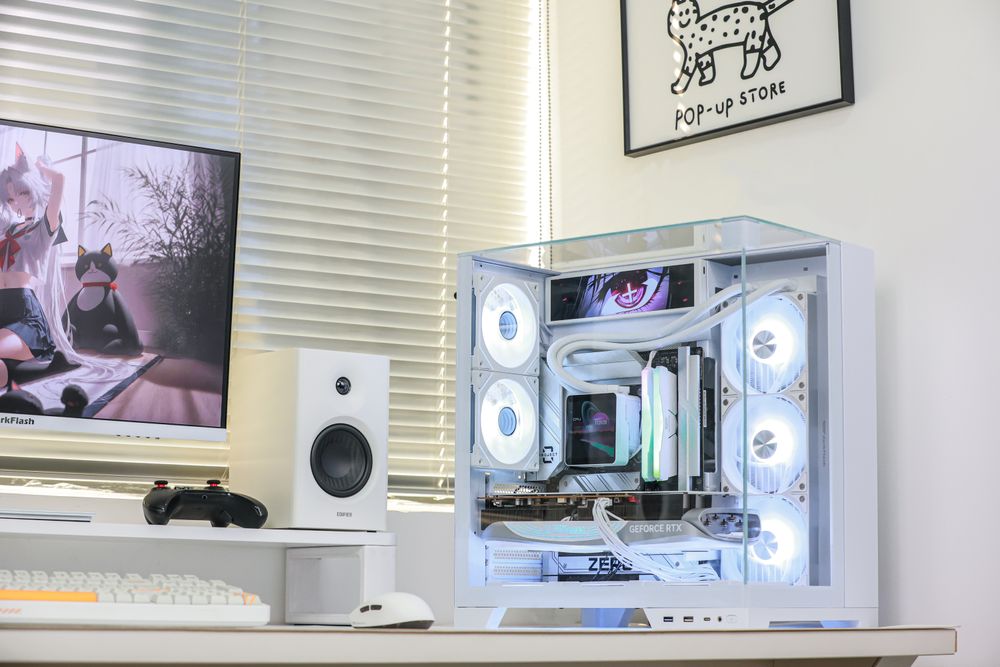
Are tempered glass cases bad for cooling? Not always. Tempered glass cases can work well if they are designed with enough side intake, bottom intake, top exhaust, and internal clearance. Modern panoramic or showcase cases often move intake fans to the side or bottom, so the front glass can stay clean while airflow still reaches the GPU.
The problem starts when a case has glass on the front, limited side ventilation, weak stock fans, and a high-power GPU inside. In that situation, the case may look beautiful but run warmer and louder than expected.
Noise Trade-Offs: Mesh Can Be Cooler, But Not Always Quieter
Is a mesh case quieter than a glass case? Not automatically. Mesh allows better airflow, so fans may not need to spin as fast to achieve the same temperatures. That can make a mesh case quieter under load. However, mesh also lets more fan and coil noise escape because there is less solid material blocking sound.
Tempered glass can slightly contain noise, but if airflow is restricted, fans may ramp up harder and become louder anyway. The best low-noise setup is not simply “glass” or “mesh.” It is a case with good airflow, quality fans, proper fan curves, and enough space around the GPU.
Final Thoughts: Choose Mesh for Cooling, Glass for Showcase Builds
Choose a mesh PC case if you care most about lower CPU and GPU temperatures, quieter fan speeds under load, and easier thermal management. Choose a tempered glass case if you want a cleaner showcase build with RGB components, vertical visual impact, and a premium display-style look.
For high-end gaming PCs, the safest choice is a case that combines glass where it improves aesthetics and mesh or ventilated panels where airflow matters. darkFlash PC cases are designed to balance visual style, GPU clearance, fan support, and airflow paths, helping builders choose a case that looks good without sacrificing system stability.