How hot is too hot for a CPU? While it depends on the model, 100°C is the universal danger zone. If your CPU regularly hits this mark, it will "thermal throttle," cutting its performance to protect itself from permanent damage.
Standard CPU Temperature Ranges (2026 Standards)
Modern CPUs are designed to push boundaries, but you should aim for these targets to ensure system stability:
Idle: 30°C – 45°C (Highly dependent on ambient room temp)
Normal Load (Gaming/Work): 65°C – 85°C
Maximum Safe Limit: 95°C – 105°C (Depending on the brand)
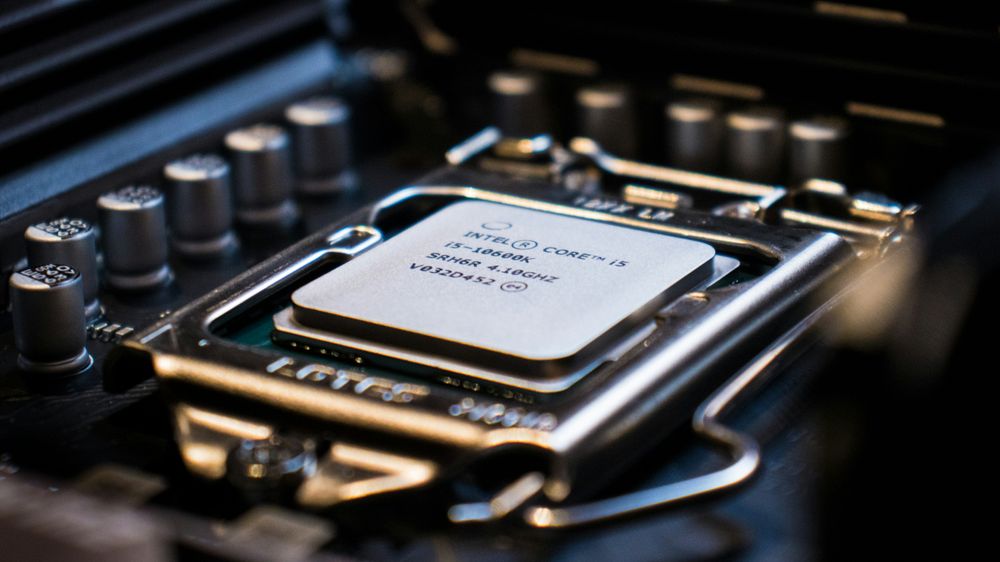
If you are consistently staying at 95°C+ during gaming, your cooling solution is likely struggling to keep up with the high thermal density of 2026-era chips.
Max Temperature Limits: Intel vs. AMD
In 2026, the two CPU giants have slightly different "thermal ceilings":
Intel Core Ultra 9 285K / 300 Series
Intel lists a maximum junction temperature (T-junction) of 105°C.
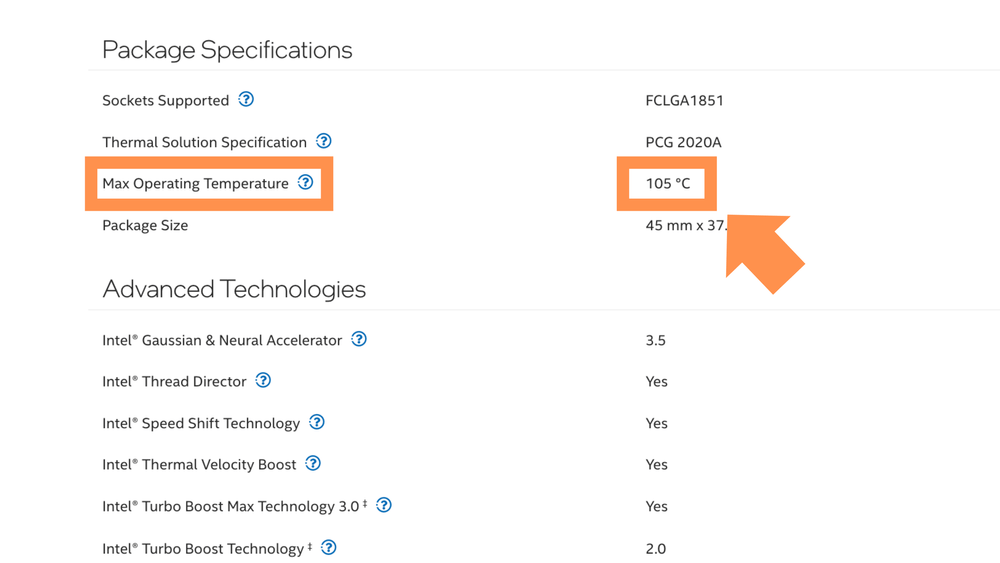
(Intel® Core™ Ultra 9 Processor 285K Max Operating Temperature, Intel Website)
AMD Ryzen 9 9950X3D
AMD sets its maximum operating temperature (TjMax) at 95°C. Due to the 3D V-Cache technology, these chips are more sensitive to heat than standard versions.
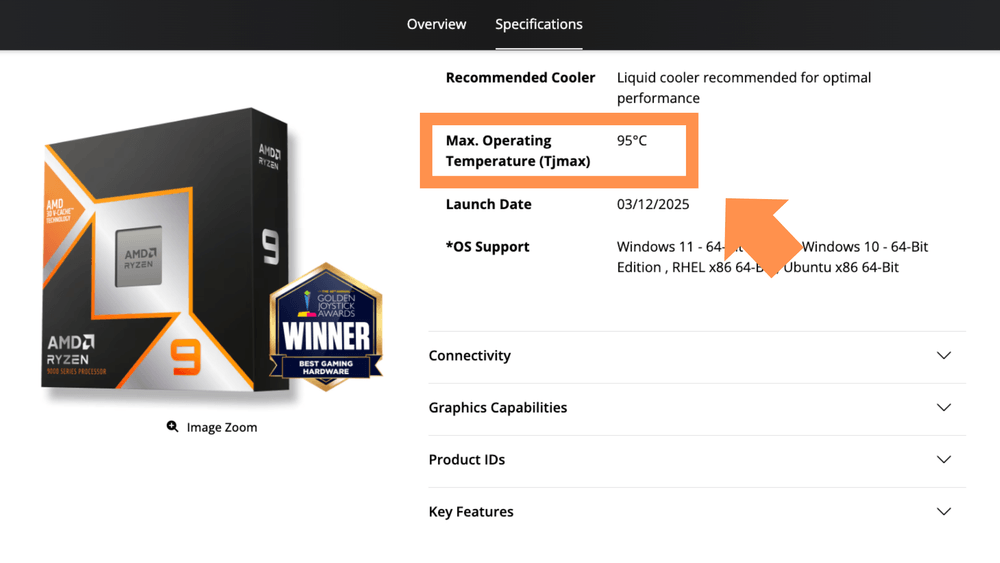
(AMD Ryzen™ 9 9950X3D Max. Operating Temperature (Tjmax), AMD Website)
What Happens When a CPU Overheats?
Modern processors are self-governing. To prevent a literal meltdown, they use two primary defense mechanisms:
Thermal Throttling
The CPU automatically lowers its clock speed (GHz). You’ll experience sudden lag, FPS drops in games, or slower rendering times.
Emergency Thermal Shutdown
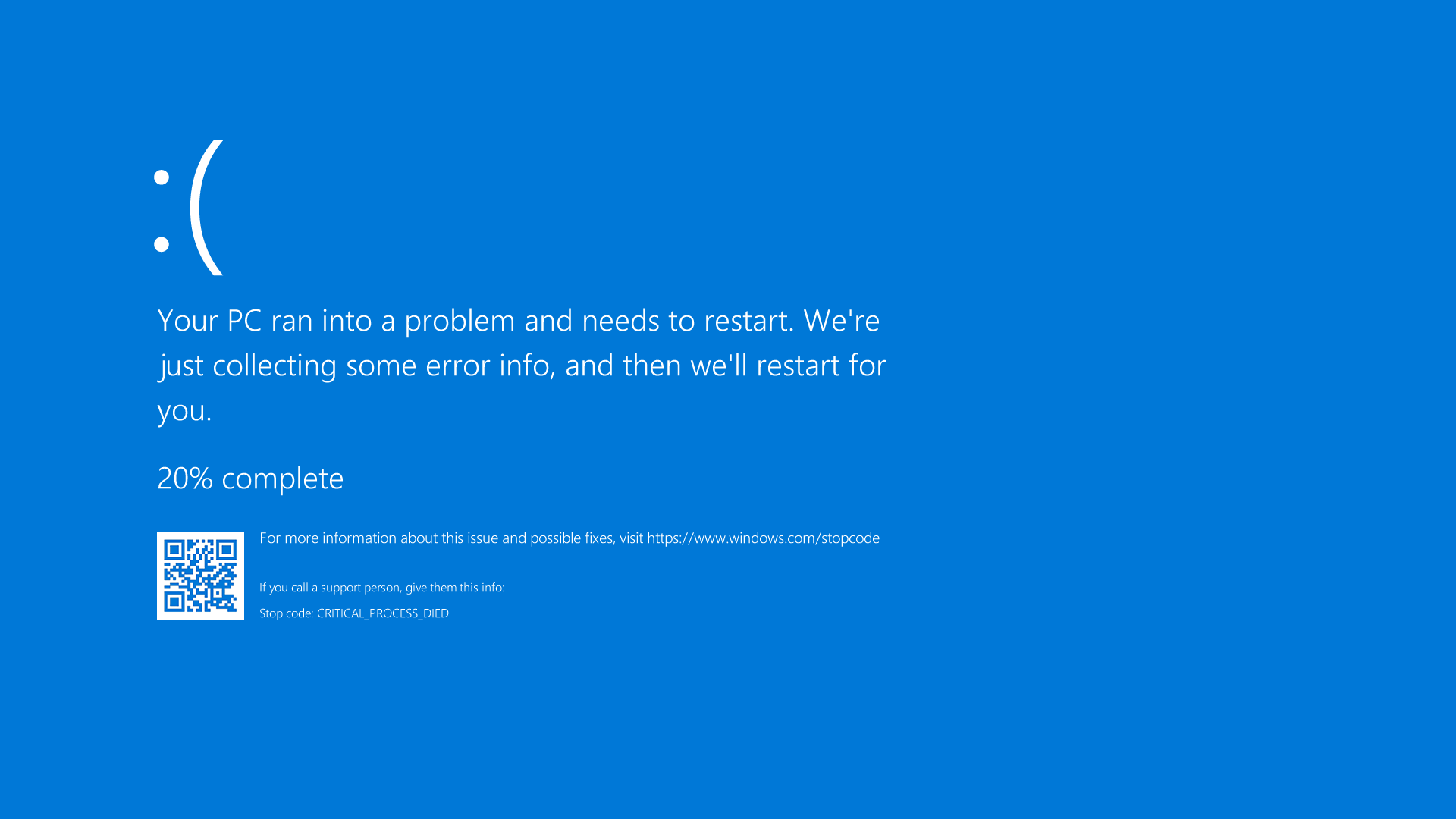
If temperatures continue to rise (e.g., AIO pump failure), the system will force a shut-off to prevent hardware failure, resulting in a Blue Screen of Death (BSOD) or a spontaneous reboot.
Signs Your CPU Is Running Too Hot
Aside from software monitoring, watch out for these physical red flags:
Excessive Fan Noise
If your CPU fans sound like a jet engine during light tasks, the cooler is working overtime to battle high heat.
System Instability
Random reboots, frozen screens, or "CPU Over Temperature Error" messages during startup.
Performance Degradation
Your PC feels "sluggish" after a few hours of heavy use—a clear sign of prolonged throttling.
How to Monitor CPU Temperatures
To get accurate readings under heavy load, use these professional-grade tools:
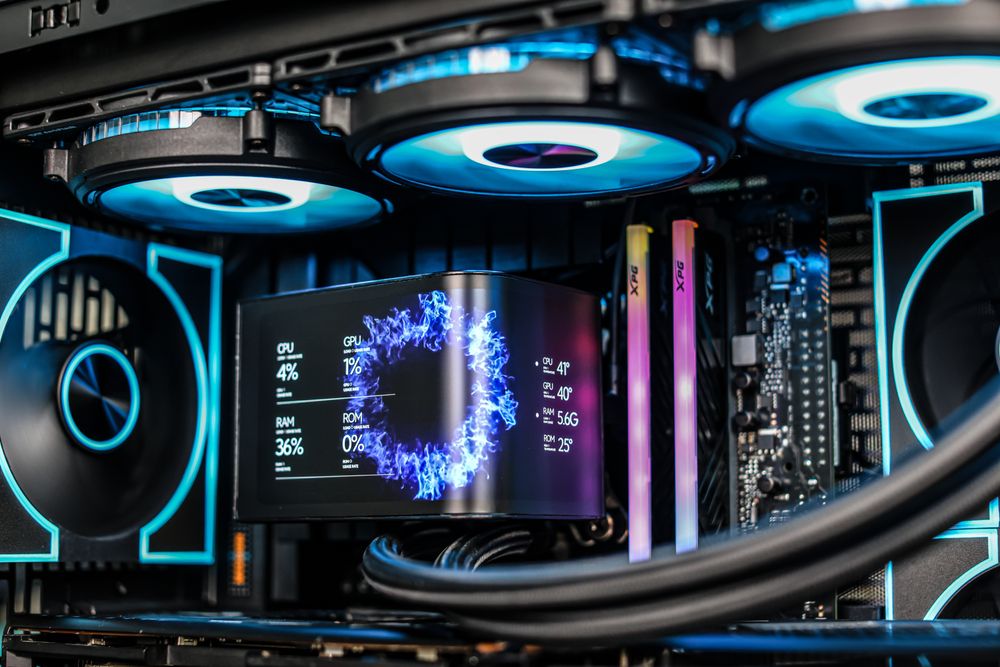
LCD Display Coolers: If you use a darkFlash LCD AIO Cooler, you can monitor your temps directly on the water block in real-time without opening any software.
HWiNFO or Core Temp: The most reliable tools for real-time monitoring of every individual core.
Stress Testing: Run Cinebench or Prime95 for 10 minutes. This will show you the absolute maximum temperature your cooling system can handle.
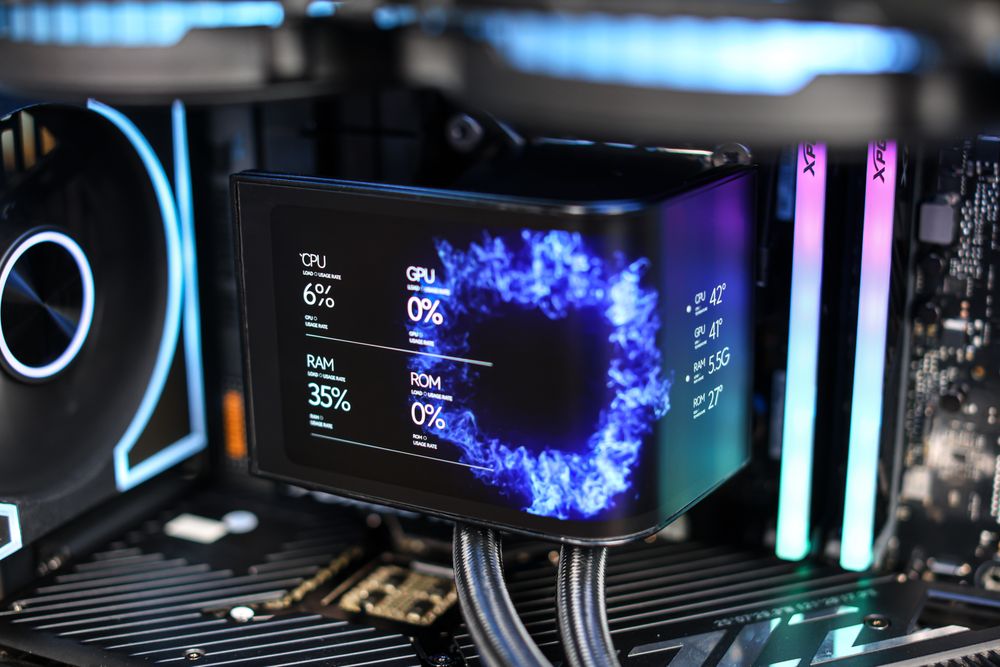
(darkFlash UV360 Liquid CPU Cooler, with 6.67-inch curved screen)
What Should You Do If Your CPU Is Too Hot?
If your temps are hitting the 95°C+ ceiling consistently, try these solutions:
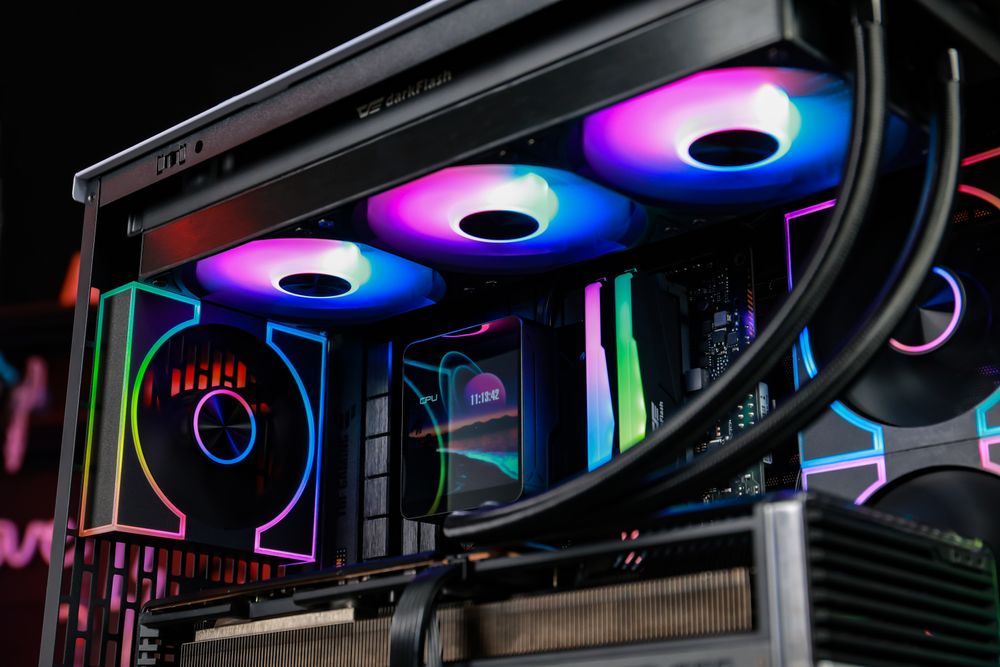
(darkFlash DV360S MAX Liquid CPU Cooler, with 3.95-inch IPS display)
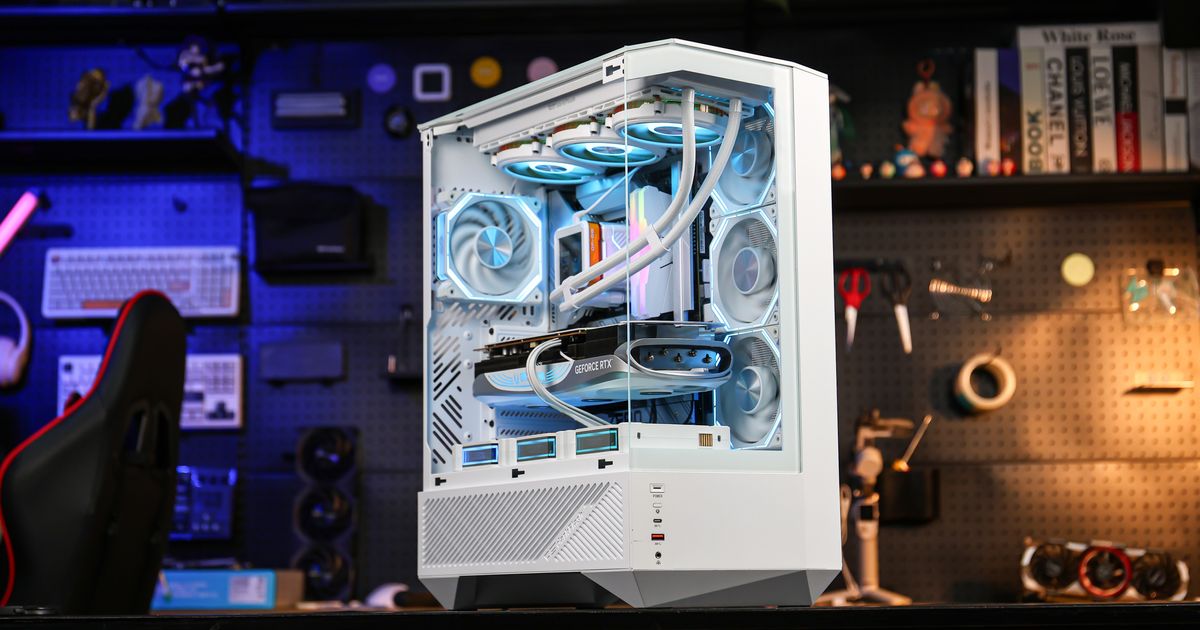
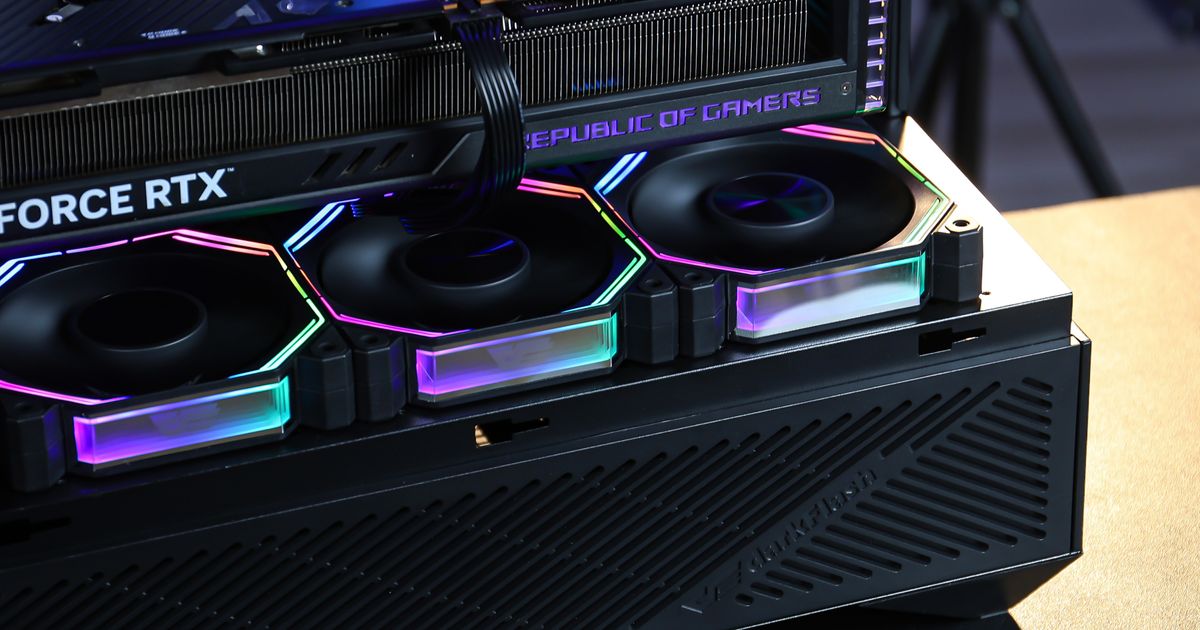
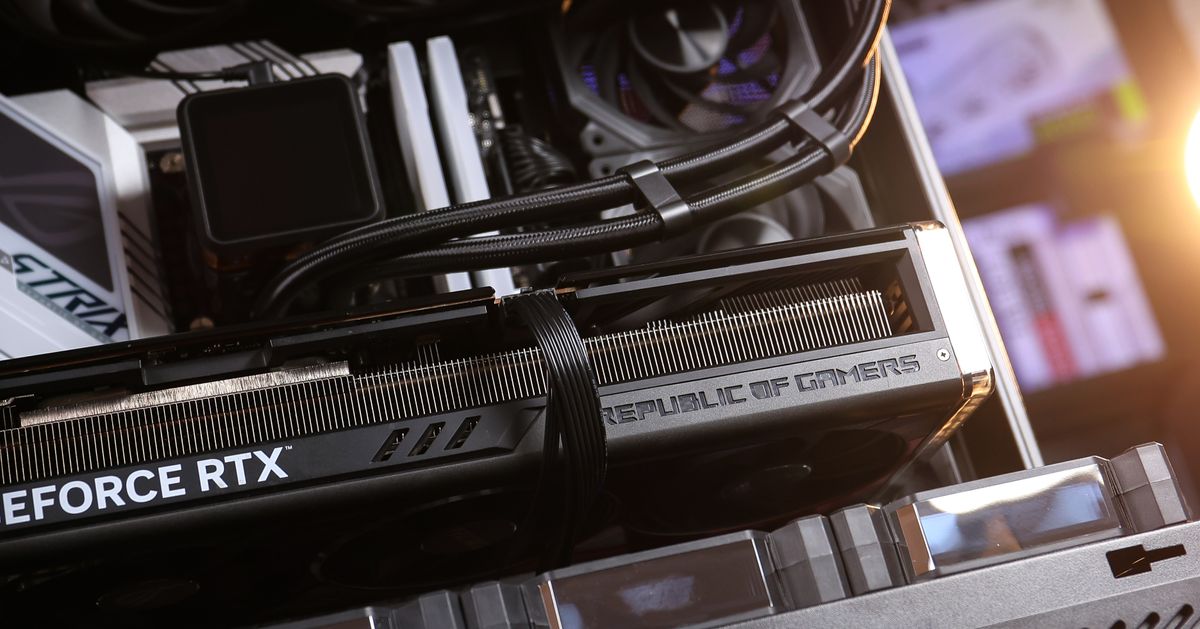
Upgrade Your Cooler: High-end CPUs like the Ultra 9 or Ryzen 9 virtually require a 360mm All-in-One (AIO) liquid cooler.
Check Thermal Paste: Over time, thermal paste can dry out or crack. Reapplying a high-quality TIM (Thermal Interface Material) every 2 years is a best practice.
Improve Case Airflow: A great cooler can’t work if it’s trapped in a "hot box." Ensure your case has sufficient intake fans and consider a High-Airflow Case to feed your cooler fresh, cool air.