(darkFlash DS900G ATX PC Case)
Are curved glass PC cases easy to break? Not necessarily. The real risk is not the curved shape itself, but the quality of the tempered glass process, the mounting structure, edge protection, and how stress is distributed around the panel.
Tempered glass always carries a very small risk of spontaneous breakage, whether it is flat or curved. Curved glass adds one more manufacturing step, so quality control becomes even more important. That is why choosing a reliable brand and a well-supported glass structure matters more than simply asking whether the panel is curved.
Why Can Tempered Glass Shatter by Itself?
Tempered glass can rarely “shatter by itself” because of the way it is made. Taiwan’s Bureau of Standards, Metrology and Inspection explains that spontaneous breakage can happen without outside impact, mainly because of tiny nickel sulfide impurities inside the glass. During tempering, glass is heated and rapidly cooled, creating internal stress. If unstable impurities remain inside, they may expand over time and cause the glass to break.
According to CNS 2217 information cited by the Bureau, ordinary tempered glass has an estimated spontaneous breakage rate of about 3 in 1,000, while heat-soaked tempered glass can reduce that risk to around 1 in 50,000. Both types can still meet quality requirements, but heat soaking is a useful safety detail to ask about when choosing a glass-heavy PC case.
Why Glass Edges and Corners Matter Most
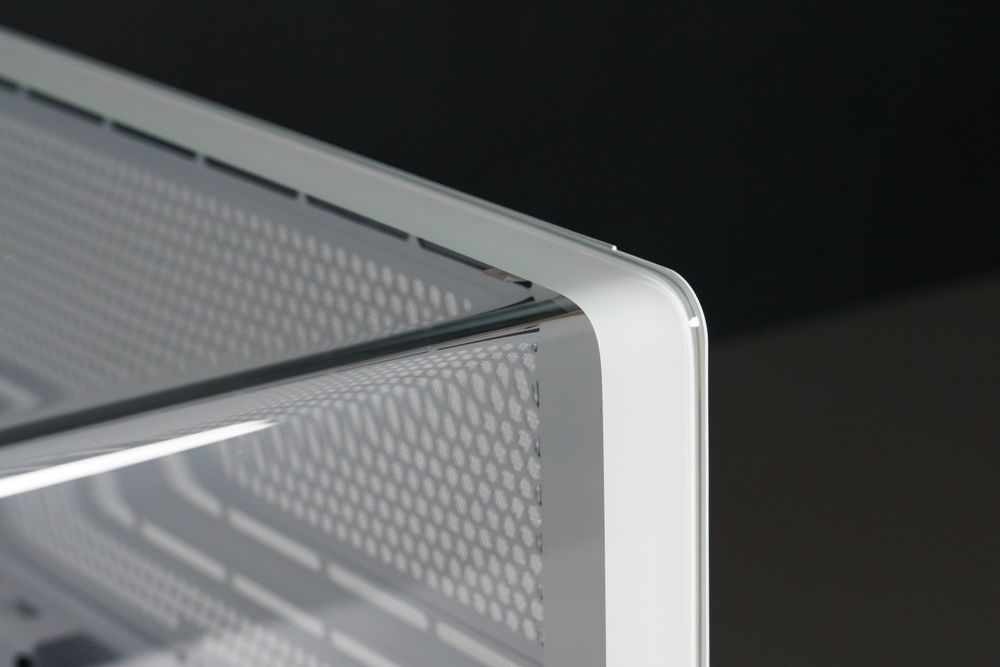
The weakest part of a tempered glass panel is usually not the center, but the edge or corner. When force hits the middle of the glass, the stress can spread outward. When force hits a corner, there is less material and support area to absorb it. This is why PC case glass panels often break after a corner impact, a hard floor contact, or uneven pressure during installation.
This also explains why the mounting method matters. If screws are drilled directly through the weakest corner areas of the glass, the design can create extra stress points. A safer structure should support the glass through a frame, rail, or protected mounting area, instead of concentrating force on exposed glass corners.
Is Curved Glass More Dangerous Than Flat Glass?
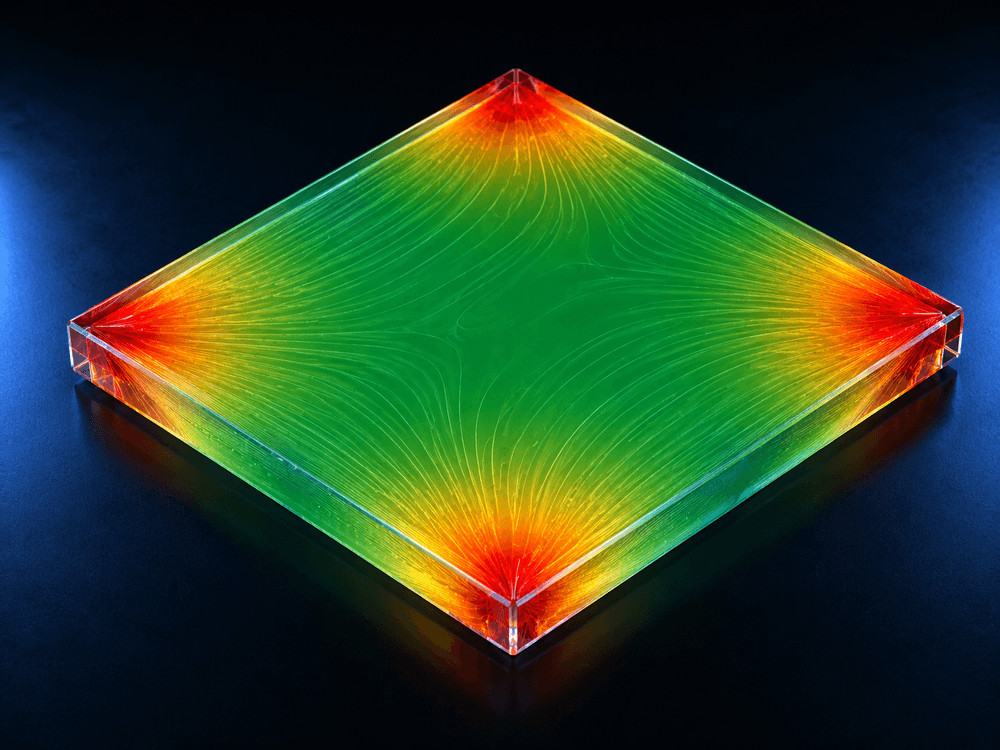
Curved glass is not automatically weaker than flat glass, but it is harder to manufacture well. A curved tempered glass panel usually requires a heat-bending process before final tempering. If the curve angle, mold accuracy, heating temperature, or cooling process is not controlled properly, stress may become uneven around the curved area.
That is the real difference. Flat tempered glass is simpler to produce. Curved tempered glass requires better tooling, tighter process control, and stronger quality checks. For buyers, this means brand reputation, market feedback, and real user reviews matter more when choosing a curved glass PC case.
What Makes a Curved Glass PC Case Safer?
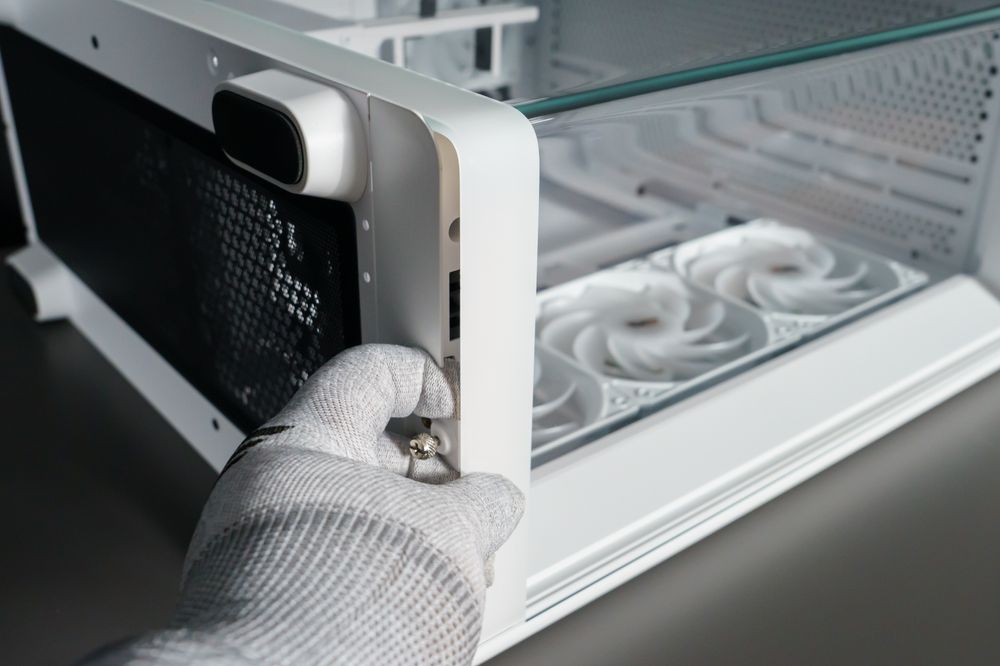
A safer curved glass PC case should not rely only on magnets or loose clips. Convenience is useful, but a large curved glass panel needs stable support, especially during movement, cleaning, or transportation.
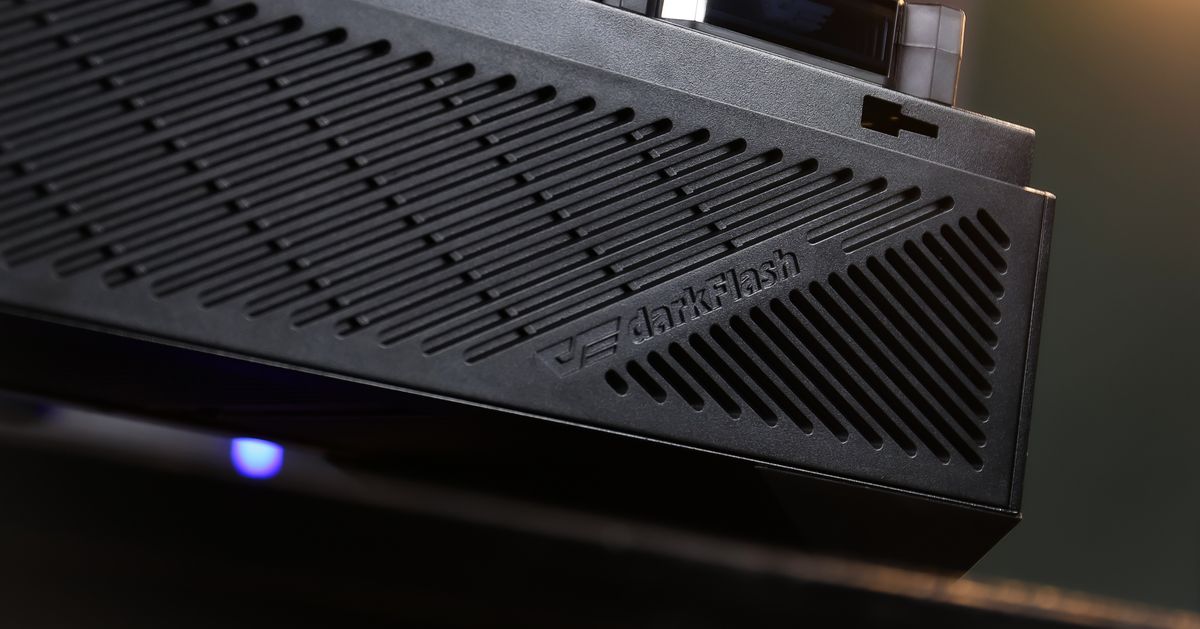
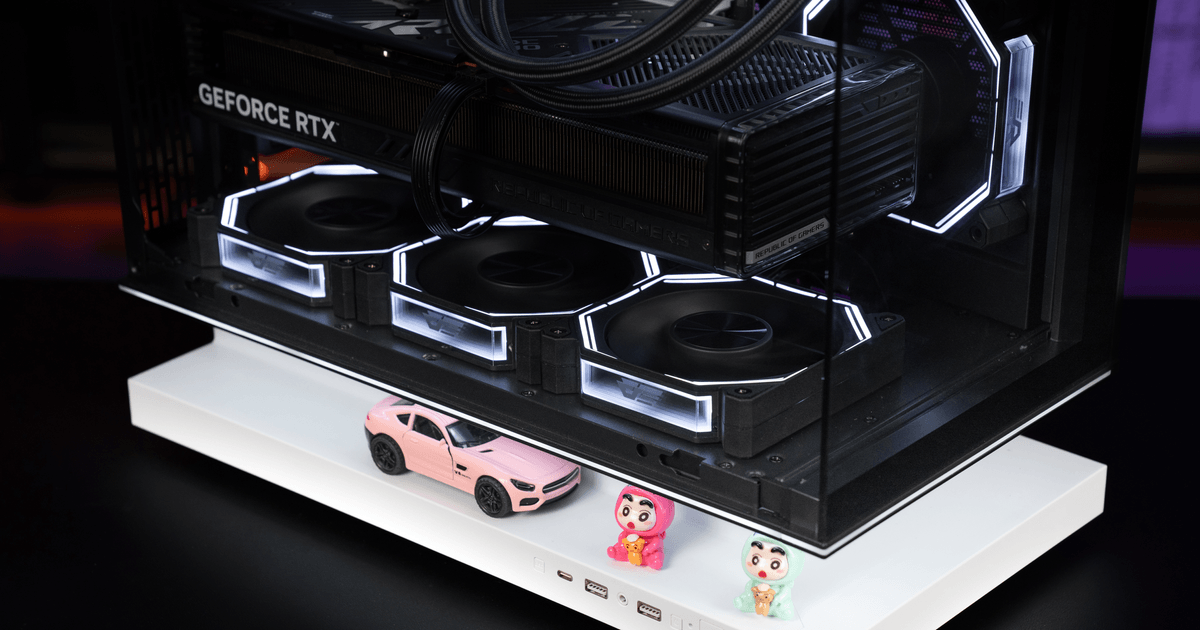
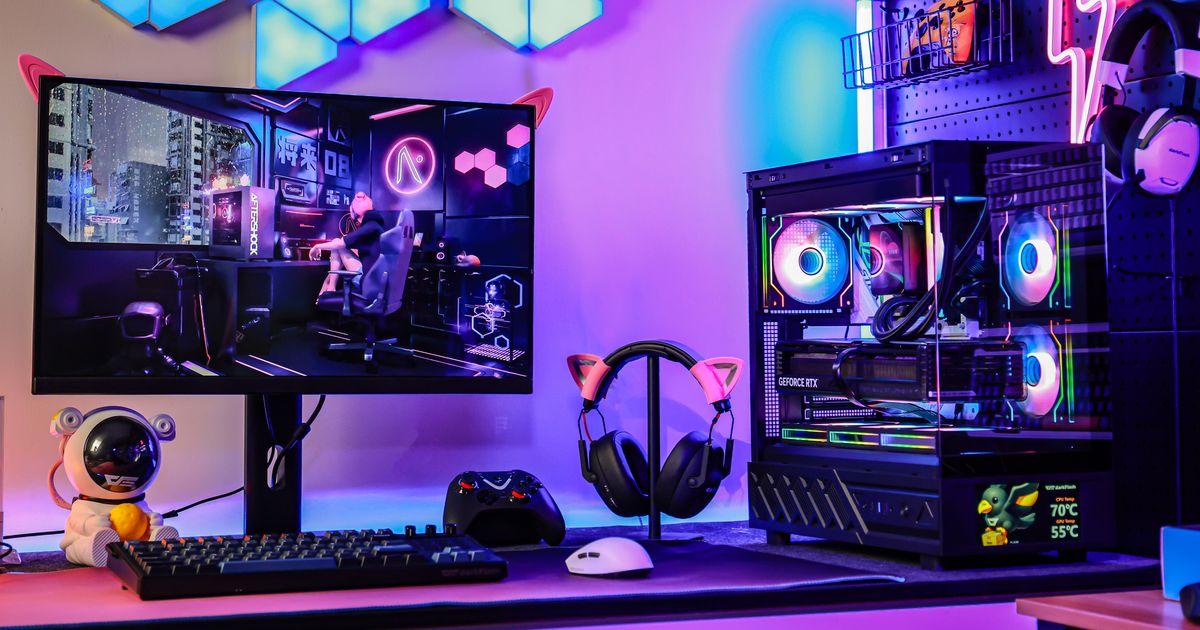
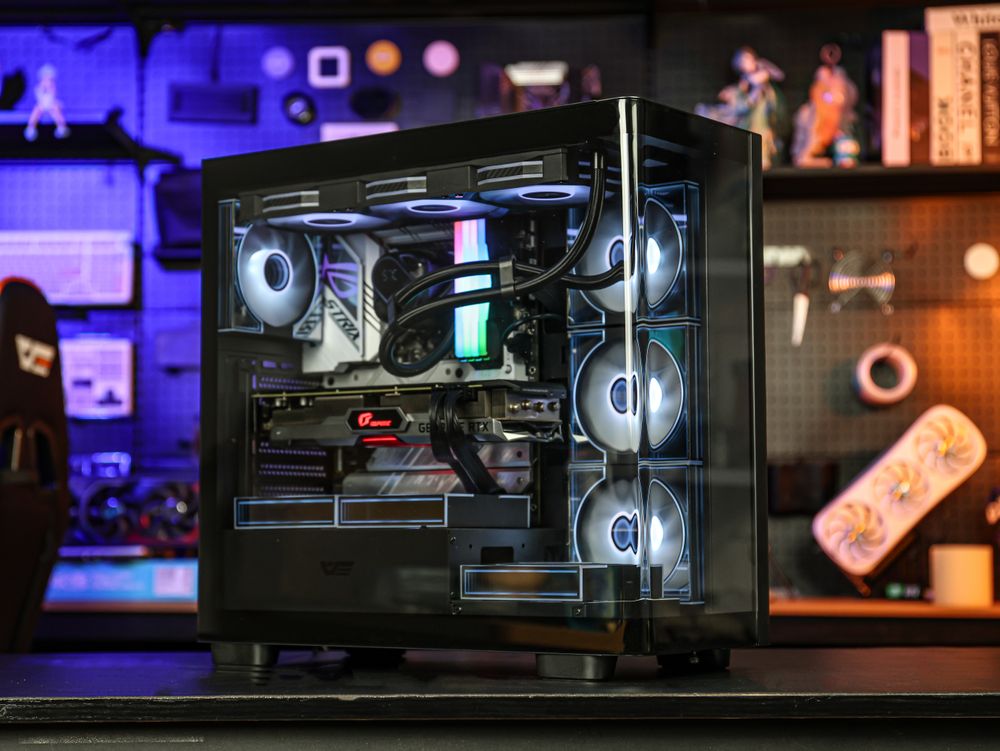
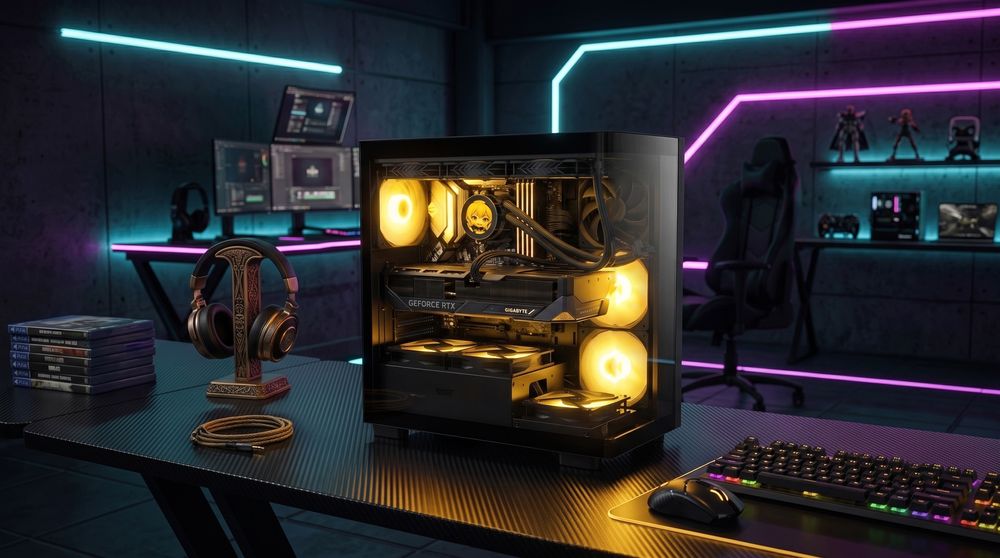
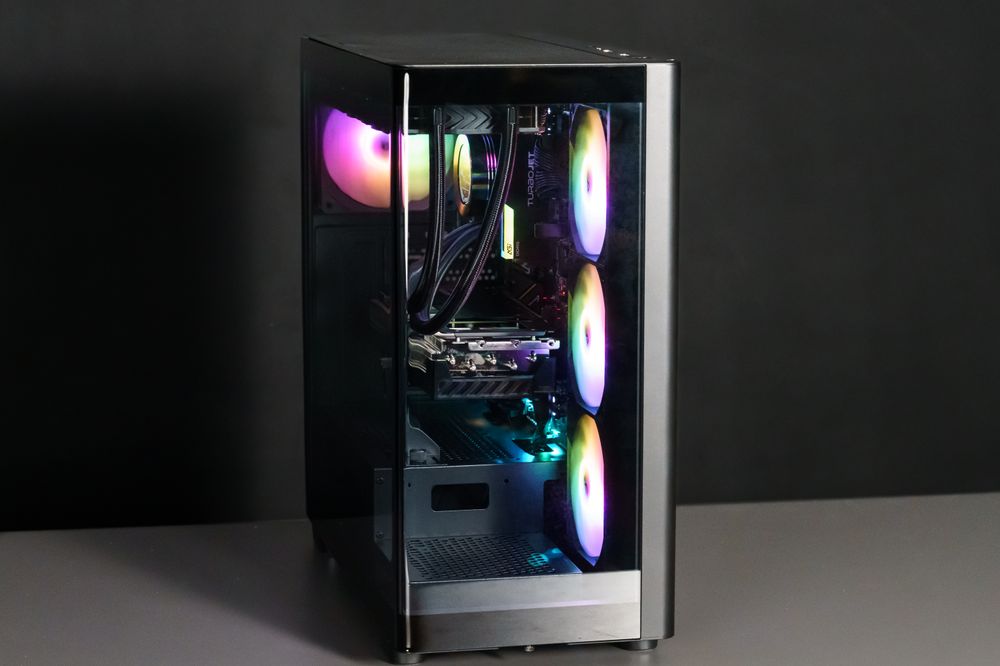
The darkFlash DS900G, for example, uses a one-piece panoramic curved tempered glass design and product listings show a bottom locking screw for the glass panel. User reviews also note that the glass should be removed only after laying the case flat, because the panel is large and heavy.
When choosing a curved glass case, check these details:
Does the glass use a frame, rail, or screw-supported structure?
Are the screws mounted through support areas instead of exposed glass corners?
Does the product have real user reviews and teardown photos?
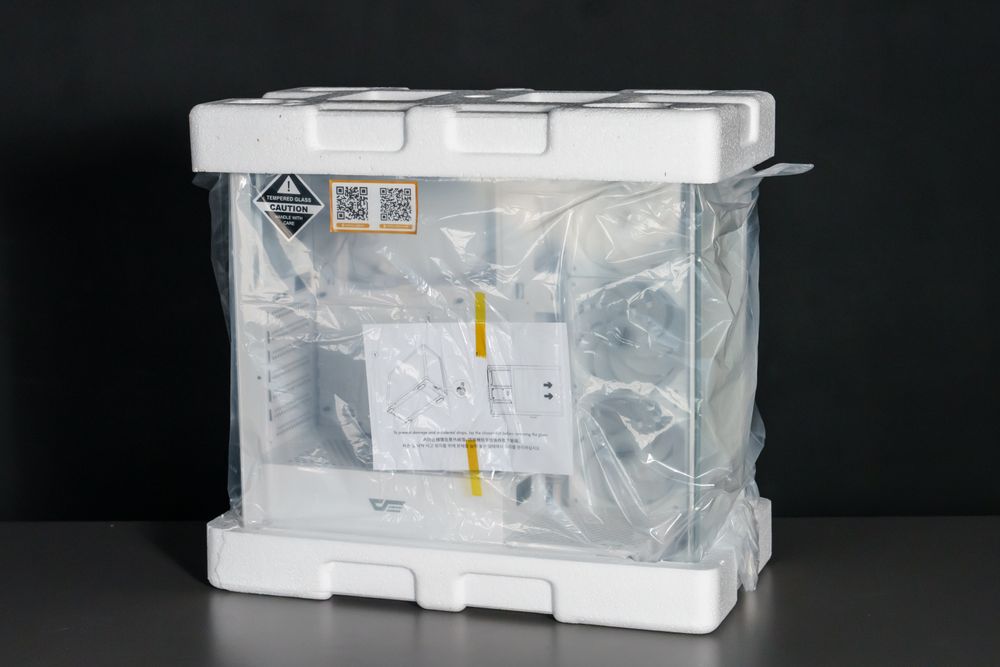
Is the packaging designed to protect the glass during shipping?
Does the brand clearly explain how to remove and reinstall the glass safely?
How to Use a Curved Glass PC Case Safely
Even with a strong case design, daily use still matters. Avoid hitting the glass edges with tools, keys, desk corners, or metal accessories. If the case is under the desk, make sure it will not be kicked. If it is on the desk, avoid placing heavy objects above it where they could fall onto the glass.
For cleaning, use a soft microfiber cloth and avoid hard scraping tools. Curved glass has more surface shape than a flat panel, so aggressive cleaning near the edge can create small scratches or stress marks over time. If you are especially concerned about glass breakage, a safety film can be considered. It cannot fully prevent spontaneous breakage, but it may reduce glass scatter if the panel breaks.
FAQ
Q1: Are curved glass PC cases easier to break than flat glass cases?
Not always. Curved glass has a more complex manufacturing process, but a well-made curved tempered glass panel with proper support can be safe for normal use.
Q2: Is tempered glass spontaneous breakage common?
No, but it is a known low-probability risk. Taiwan’s BSMI cites around 3 in 1,000 for ordinary tempered glass and around 1 in 50,000 after heat-soak treatment.
Q3: Are screw-mounted glass panels dangerous?
It depends on the design. Screws placed directly through weak glass corners can increase stress, but screws used with a supporting frame or protected mounting structure can improve stability.
Q4: Do I need safety film on a PC case glass panel?
It is not required, but it can be an extra layer of protection. Safety film mainly helps reduce glass scatter after breakage, rather than preventing all breakage.
Final Thoughts: Good Curved Glass Design Should Balance Beauty and Safety
A curved glass PC case does not have to trade safety for looks. The key is not whether the glass is curved or flat, but whether the panel is properly tempered, well supported, carefully packaged, and used correctly. A case like the darkFlash DS900G answers the curved-glass safety concern with a one-piece panoramic glass design, bottom locking structure, strong hardware clearance, and case support for modern cooling layouts.
When buying a curved glass PC case, do not look only at the visual effect. Check the mounting design, glass handling instructions, heat-soak information if available, packaging protection, and brand reputation. That is how you enjoy a clean panoramic build without turning the glass panel into a constant worry.