Why Motherboard Prices Are Rising in 2026 — And How to Build Smart
If you have been keeping an eye on PC hardware prices lately, you might have noticed a subtle shift: motherboards are getting more expensive. While it is easy to assume brands are just raising prices, the reality is driven by deeper supply chain pressures.
Upstream component costs—especially raw PCB materials—are surging, while consumer DIY market demand remains soft. Reports from board channels and tech media (including VideoCardz and Wccftech) indicate that major motherboard manufacturers like ASUS, GIGABYTE, and MSI are adjusting Q3 2026 pricing across multiple chipsets.
Here is a closer look at what is driving these price hikes and how you can protect your PC budget in 2026.
The Main Culprit: PCB Costs Jump by 50%
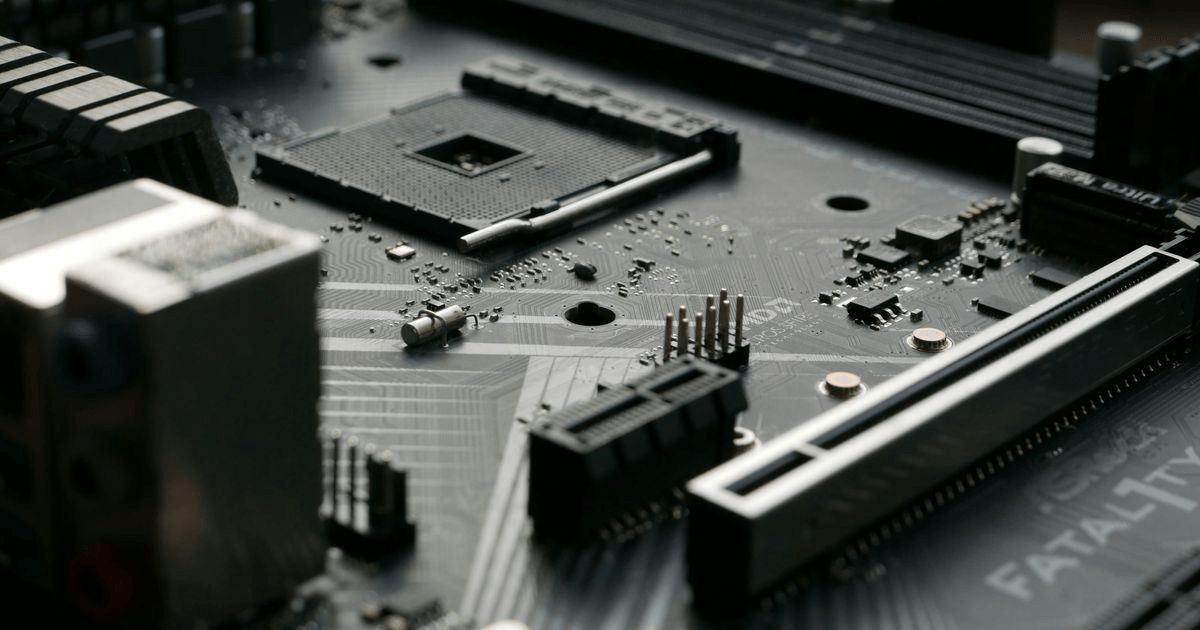
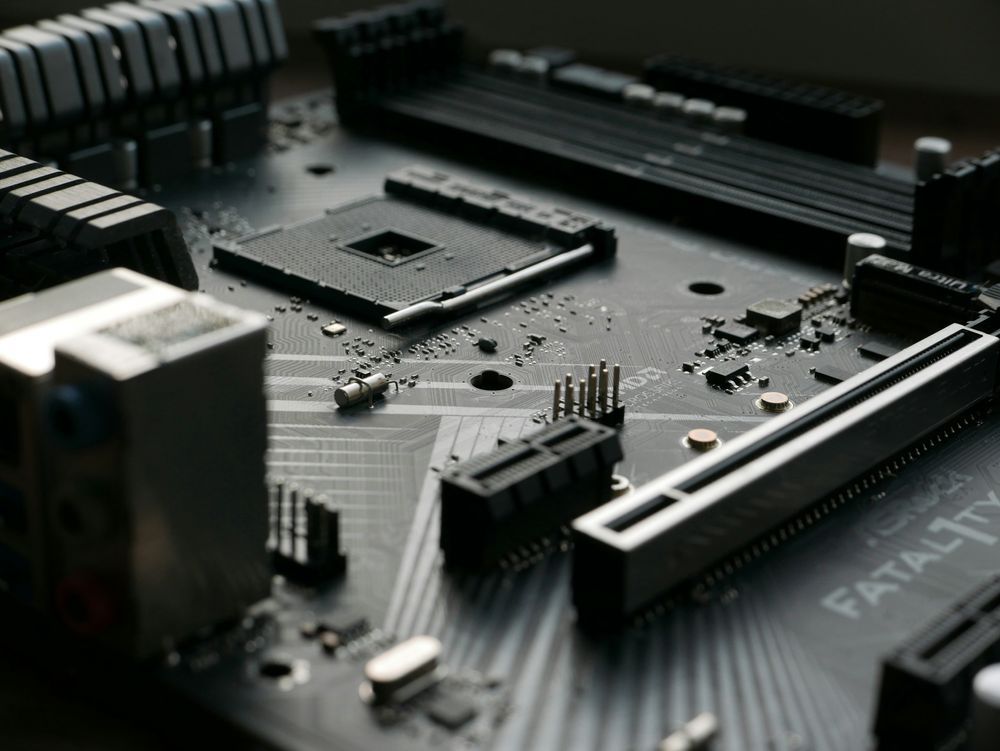
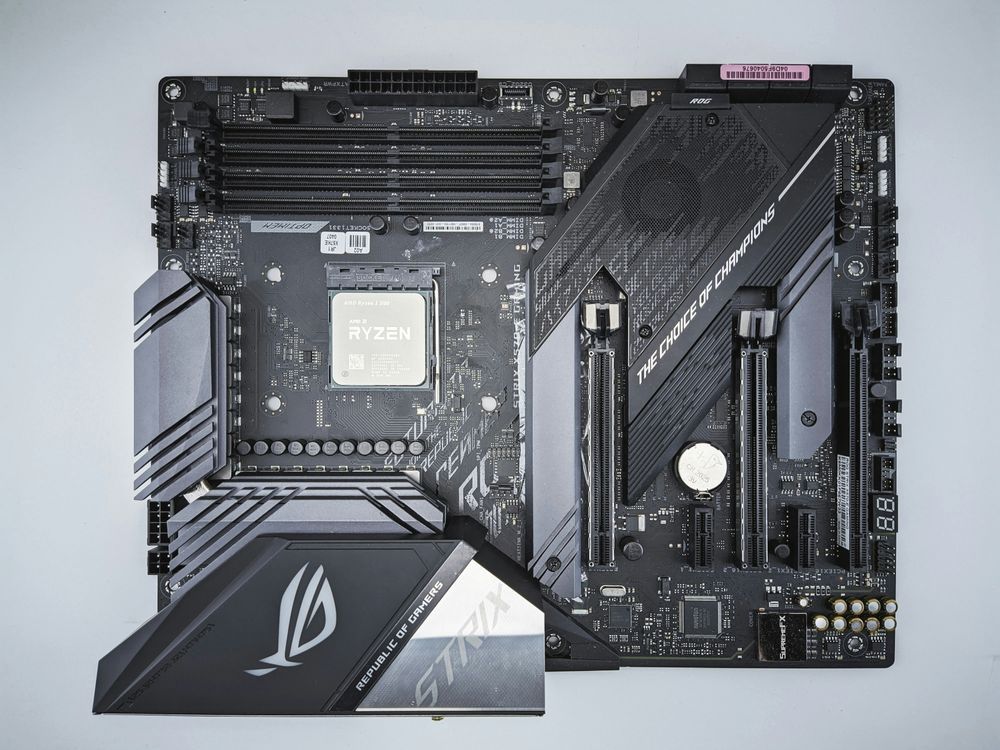
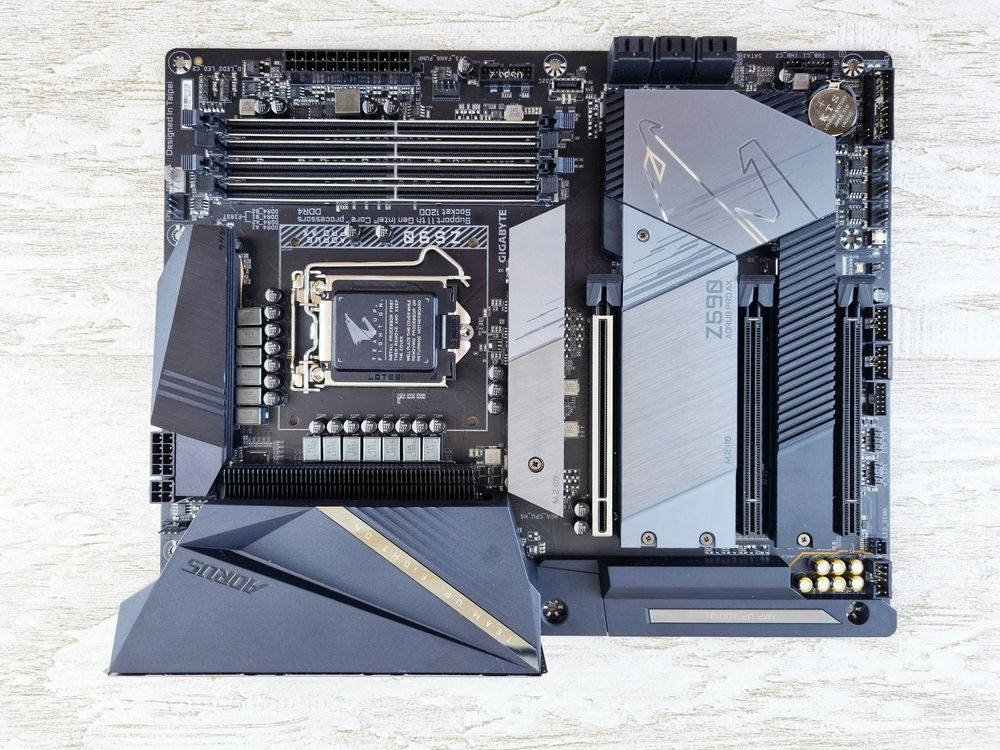
A motherboard is far more than a simple mounting board. It is a dense, complex ecosystem comprising multi-layer circuit boards, VRM power delivery, capacitors, controller ICs, high-speed expansion slots, and heavy-duty heatsinks.
The core reason behind current price hikes comes down to rising raw material costs:
Drastic PCB Cost Spikes: Manufacturing costs for multi-layer PCBs are projected to jump by at least 50% this year.
Component Inflation: High copper prices alongside increased costs for capacitors, power ICs, and controller chips are pushing bill-of-materials (BOM) higher.
The AI Server Tug-of-War: Enterprise AI platforms and data centers continue to consume massive supply chain capacity. Because these high-volume enterprise orders carry higher margins, upstream suppliers naturally prioritize them—leaving consumer motherboard makers with reduced bargaining power and higher unit costs.
Should You Upgrade Your Motherboard Right Now?
Does this mean gamers should panic-buy a motherboard before prices go higher? Not necessarily.
A New Motherboard Won’t Boost Your FPS: If your current CPU and platform perform well, replacing only the motherboard will deliver virtually zero gaming frame-rate gains.
Focus on Full Platform Value: Only consider upgrading if you plan to move to a new CPU generation, upgrade to faster RAM/GPUs, or require modern I/O connectivity.
Prioritize Practical Features over Hype: If you do need a new board, focus on core essentials—robust VRM cooling, sufficient M.2 and RAM slots, reliable front USB-C headers, and broad case compatibility.
Final Thoughts: Invest in Hardware That Outlasts the Cycle
Motherboard price increases are just one part of a broader trend shaping the 2026 DIY hardware market. With memory, GPUs, and motherboards facing upward cost pressure, smart PC builders should focus on long-term hardware value.
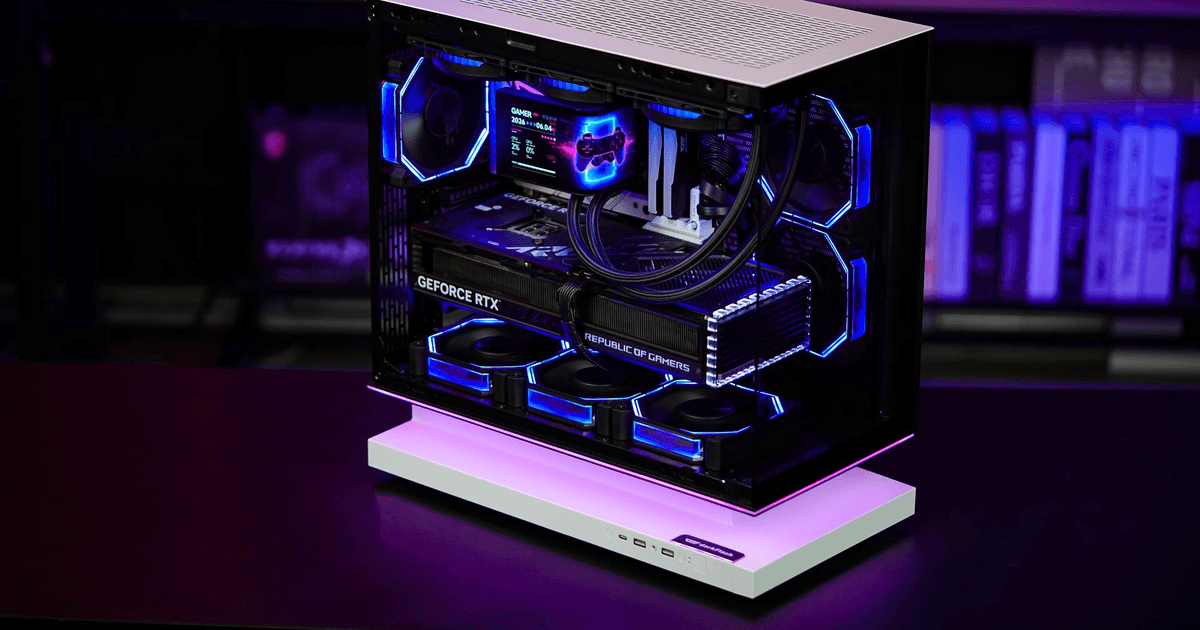
Investing in foundation components that seamlessly span across multiple build cycles—such as a high-airflow darkFlash PC case, a stable power supply, high-performance AIO liquid or air CPU coolers, and durable cooling fans—ensures your build stays cool, quiet, and upgrade-ready for years to come.