If you follow the competitive scenes of Valorant, CS2, or Apex Legends, you may have noticed a quiet revolution happening on the desks of top pros. The satisfying "click-clack" of traditional mechanical keyboards is being replaced. The new king of esports? Magnetic Switches.
In this guide, we break down the difference between Magnetic and Mechanical switches, briefly explain the science behind them, and why features like Rapid Trigger are considered almost "cheating" in FPS games.
The Old Guard: How Mechanical Switches Work
To understand why pros are switching, you first need to understand what they are switching from.
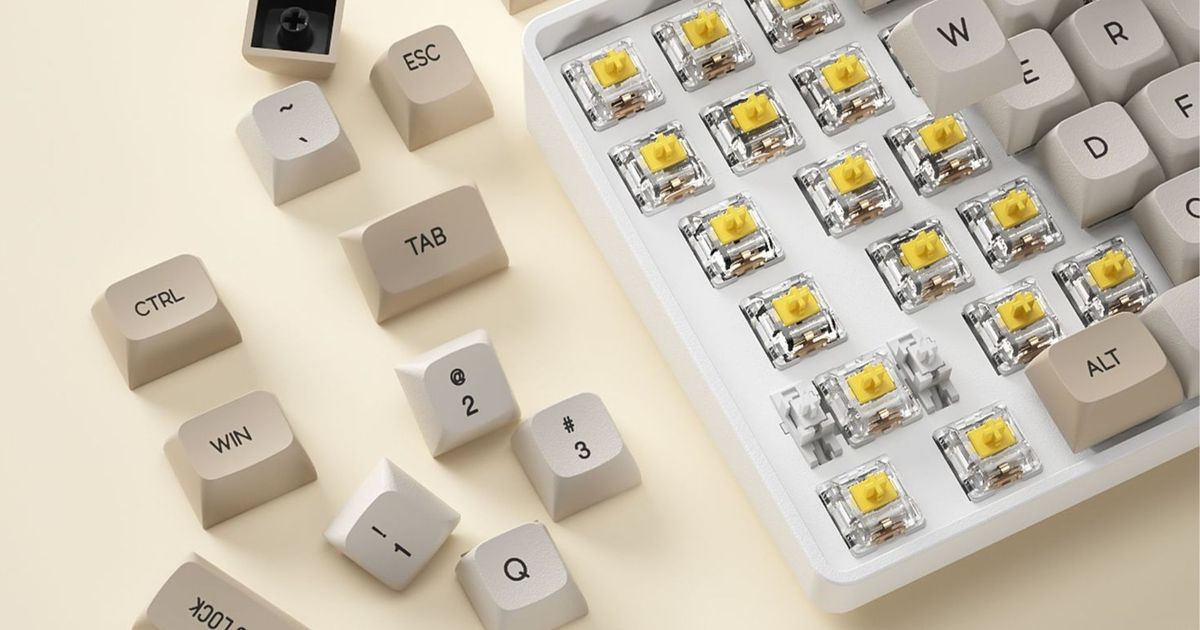
Traditional mechanical switches work on physical contact. When you press a key, a plastic stem moves down, pushing two metal leaves together to complete an electrical circuit.

(Mechanical Switch Keyboard, darkFlash GD108 )
The Limitation: "Debounce Delay"
Because metal leaves vibrate (bounce) when they hit each other, the keyboard firmware has to wait a few milliseconds to ensure the keypress is real and not just a vibration. This is called Debounce Delay.
Pros: Satisfying feel, huge variety of customization.
Cons: Physical wear and tear, slower response time due to debounce, fixed actuation points.
The New Challenger: Magnetic Switches
Magnetic switches eliminate physical contact entirely. Instead of metal leaves touching, each switch contains a tiny permanent magnet. This is where the magic happens. The keyboard doesn't wait for two pieces of metal to hit; it constantly "watches" the position of that magnet using a sensor on the circuit board.
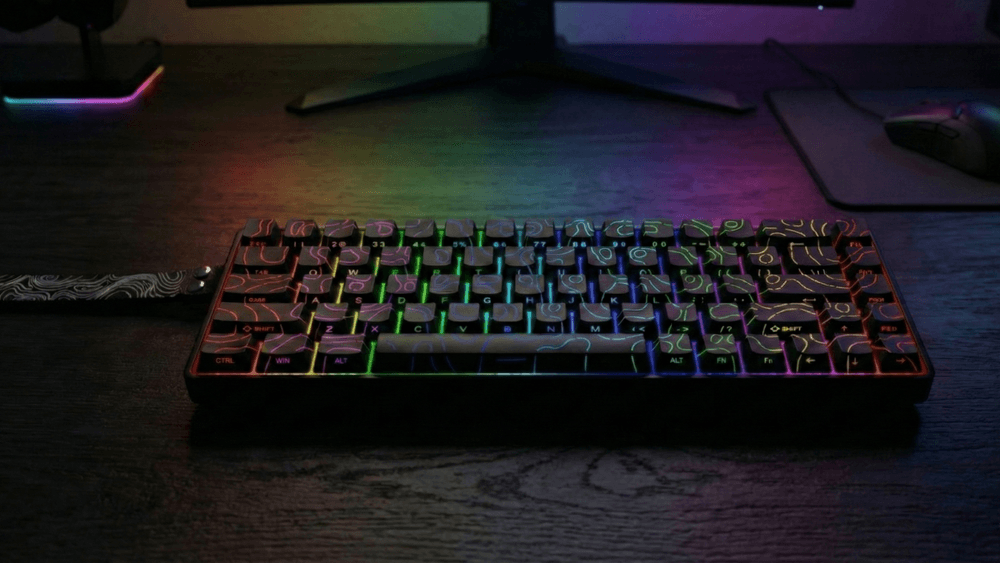
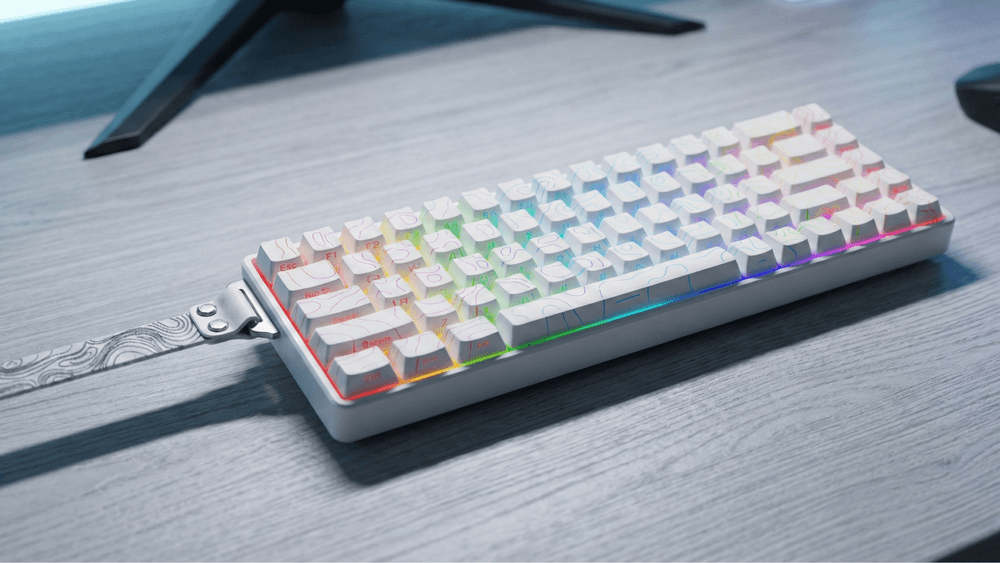
(Magnetic Switch Keyboard, darkFlash EZ68)
The Science: It’s Called the "Hall Effect"
While gamers call them "Magnetic Switches," the technology driving them is actually based on the Hall Effect.
What is the Hall Effect?
Discovered by Edwin Hall in 1879, this principle states that when a magnet moves closer to a sensor, the magnetic field changes the voltage running through that sensor.
Why does this matter for gaming?
Unlike a mechanical switch that only knows "On" or "Off," a Hall Effect sensor acts like a dimmer switch. It knows exactly how far the key is pressed at all times—whether it is at 0.1mm, 2.0mm, or bottomed out at 4.0mm.
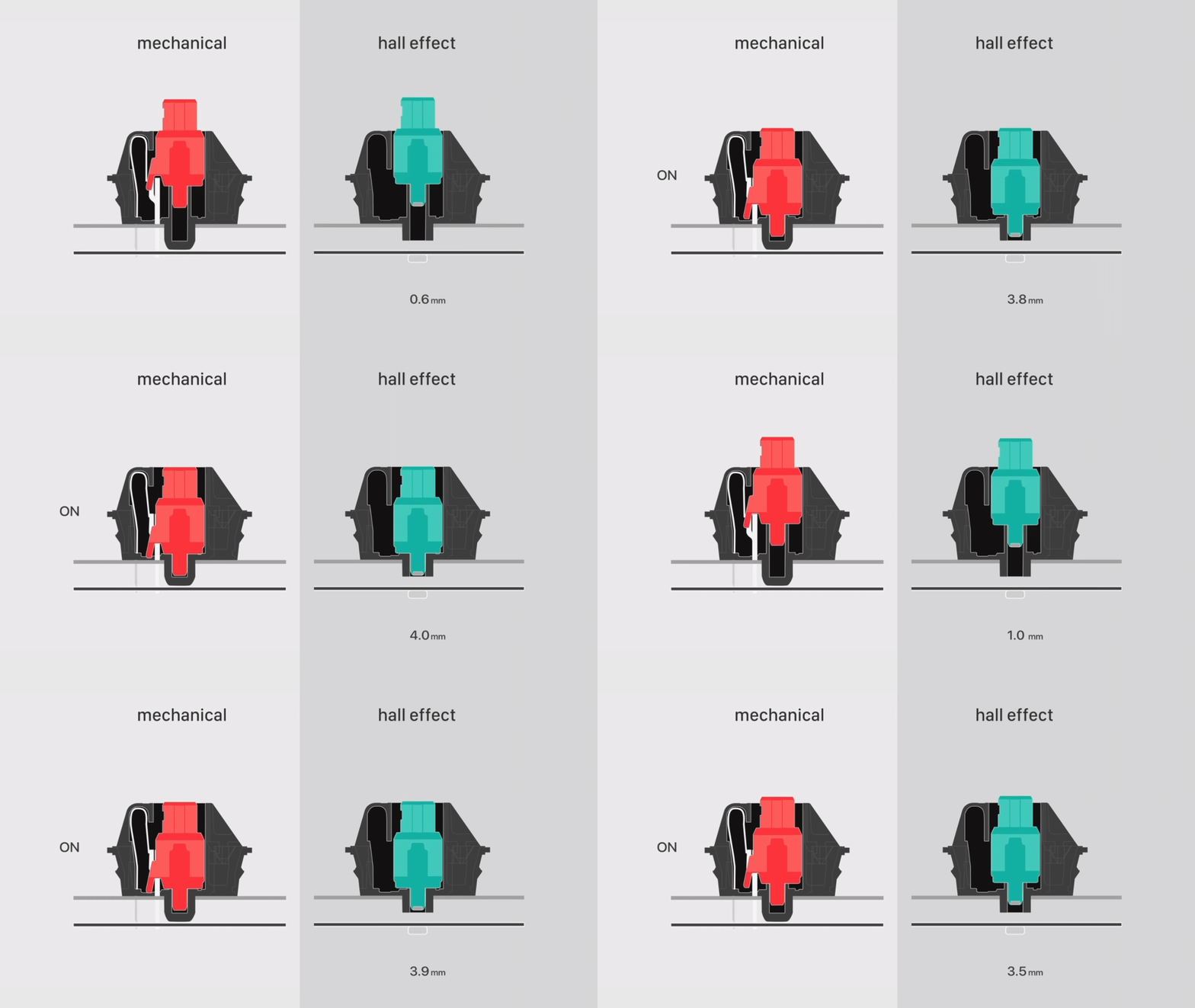
(Mechanical vs. Magnetic Switches Explained. Credit: Optimum)
The "Cheat Code": Rapid Trigger Explained
This is the main reason FPS players are upgrading their gear. On a normal mechanical keyboard, once you press a key, you have to release it past a fixed "Reset Point" before you can press it again. This physical travel distance slows you down.
Rapid Trigger changes the rules using the continuous data from the magnetic switch:
The moment you lift your finger (even by 0.1mm), the sensor detects the magnetic field changing and instantly resets the key.
The moment you press down again, it activates.
In-Game Benefit
This allows for instant "Counter-Strafing" in games like Valorant. You can stop moving, shoot accurately, and move again faster than physically possible on a mechanical board.

(Rapid Trigger Explained. Credit: Optimum)
3 Reasons Why Gamers Are Upgrading
Beyond Rapid Trigger, magnetic technology offers several distinct advantages over traditional mechanical builds.
True 8000Hz Polling Rate
Because magnetic switches don't have "Debounce Delay" (no physical bouncing), the signal is clean and instant. High-end magnetic keyboards can report to your PC 8,000 times per second (8000Hz). This reduces latency to near zero (0.125ms), ensuring your inputs register the exact micro-second you react.
Fully Adjustable Actuation (0.1mm - 4.0mm)
One of the coolest features is customizability. You don't need to swap out switches to change the feel.
For Gaming: Set WASD keys to a hair-trigger 0.1mm for instant movement.
For Typing: Set keys to 2.0mm to prevent accidental typos.
For Safety: Set your "Ultimate" ability key to 3.0mm so you never waste it by mistake.
Durability (100 Million+ Presses)
Friction is the enemy of electronics. Since magnetic switches have no metal contacts striking each other, there is significantly less wear and tear. They stay smooth (linear) for years longer than traditional switches.
Conclusion: Is It Time to Switch?
If you are a casual gamer who primarily types or plays single-player games, a traditional mechanical keyboard is still a fantastic choice. The tactile feedback is hard to beat.
However, if you play competitive shooters and feel like your movement is just a split-second behind your brain, your hardware might be the bottleneck. The precision of Magnetic Switches combined with Rapid Trigger technology offers a tangible competitive advantage that mechanical switches simply cannot physically match.
Ready to experience the speed difference? Look for keyboards equipped with the latest Magnetic Switch technology, like the darkFlash EZ68, and feel the difference in your next match.