Modern graphics cards rely on high-speed VRAM such as GDDR6 and the newer GDDR7. As memory prices continue to increase worldwide, manufacturers are paying significantly more before a graphics card even reaches retailers.
AI Demand Is Changing the Memory Market
The explosive growth of artificial intelligence has dramatically changed how memory is allocated across the semiconductor industry.
Large AI data centers are purchasing enormous quantities of DDR5 memory, HBM (High Bandwidth Memory), NAND flash, and other memory products. Although gaming GPUs don't use the exact same memory technologies as AI accelerators, they still depend on the same manufacturing ecosystem.
Memory vendors must decide where to invest production capacity, packaging resources, and wafer allocation. Since AI products generally offer higher profit margins, consumer graphics products naturally receive lower priority.
The result is a tighter supply chain for gaming hardware and increased manufacturing costs for GPU partners.
Why VRAM Matters More Than Ever
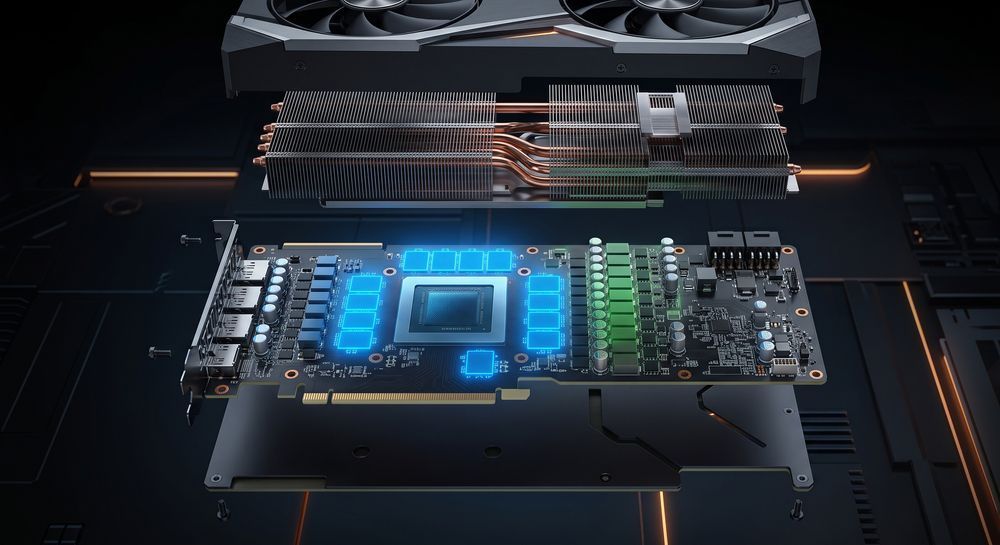
Graphics memory has become one of the most expensive components inside a modern graphics card.
Gaming systems require DDR5 system memory, SSDs rely on NAND flash, graphics cards use GDDR memory, and AI accelerators consume massive amounts of HBM. While these products serve different purposes, they all compete for the same semiconductor investment and production resources.
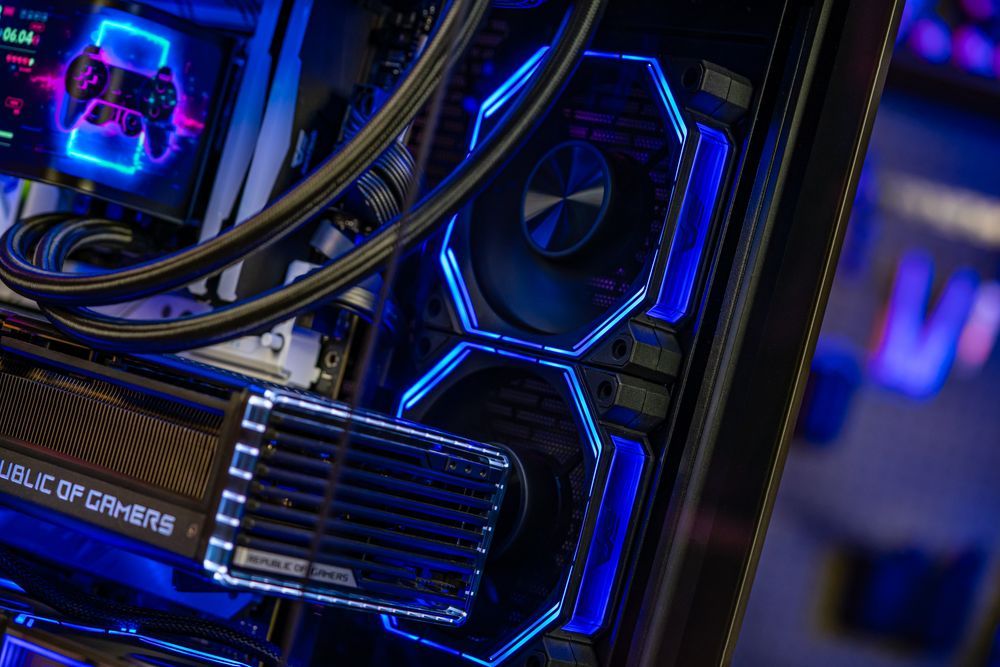
Does VRAM Really Account for Most of a GPU's Cost?
You've probably seen claims online that VRAM represents around 80% of a graphics card's manufacturing cost.
That figure should be viewed as an estimate rather than a universal rule. Manufacturers rarely disclose complete bill-of-material (BOM) information, and the actual percentage varies depending on several factors, including:
GPU tier
Memory capacity
GDDR generation
PCB complexity
Cooling solution
Power delivery design
Manufacturer margins
Even though the exact percentage differs between products, industry reports consistently point toward the same conclusion: memory is becoming one of the largest cost drivers behind modern graphics cards.
As GDDR6 and GDDR7 prices continue to rise, both NVIDIA and AMD board partners face increasing production costs.
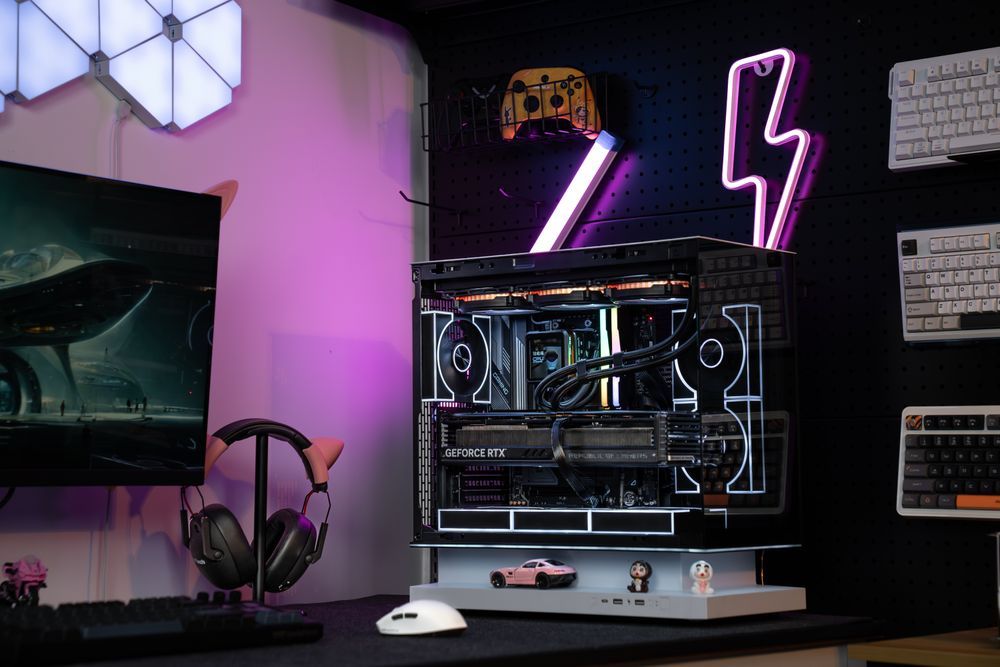
Should You Upgrade Your Graphics Card Right Now?
There isn't a single answer that fits everyone.
If your workload includes AI applications, video editing, 3D rendering, or professional content creation, upgrading sooner may still make sense. Waiting doesn't necessarily guarantee lower prices while memory supply remains constrained.
For gamers, however, buying the newest flagship GPU isn't always the smartest investment.
Choosing hardware that matches your display resolution and performance expectations often delivers much better value than chasing the highest-end model available.
At the same time, supporting components shouldn't be overlooked. A quality ATX 3.1 power supply, efficient airflow, and proper cooling can help modern high-performance GPUs operate more reliably over the long term.
Build a Strong Foundation Instead of Chasing Every Upgrade
Graphics card pricing is likely to remain volatile as long as AI continues consuming large amounts of global memory capacity.
Rather than spending the largest portion of your budget on the newest GPU during an expensive market cycle, consider investing in components that improve your system's longevity.
A spacious PC case with excellent airflow makes it easier to cool today's larger graphics cards, while a fully modular power supply simplifies cable management and provides stable power for future upgrades.
Whether you're replacing your GPU today or planning to keep your current card for another generation, building on a reliable platform helps maximize both performance and long-term value.
Frequently Asked Questions
Q1: Why are graphics card prices still so high?
Memory supply remains under pressure as AI data centers continue purchasing large volumes of DRAM and related memory products. This has increased production costs across the graphics card industry.
Q2: Are only high-end GPUs affected?
No. Flagship models typically feel the greatest impact because they use larger amounts of faster VRAM, but mainstream graphics cards using GDDR6 or GDDR7 are also affected.
Q3: Should I wait before buying a new GPU?
It depends on your needs. If your current graphics card still performs well, waiting could be reasonable. If you need more performance for professional workloads, upgrading now may still be worthwhile despite current pricing.
Q4: Do higher GPU prices affect other PC components?
Not directly. Cases and power supplies aren't experiencing the same memory-related cost increases, but since graphics cards have become more expensive, investing in durable supporting components can provide better long-term value across multiple upgrade cycles.