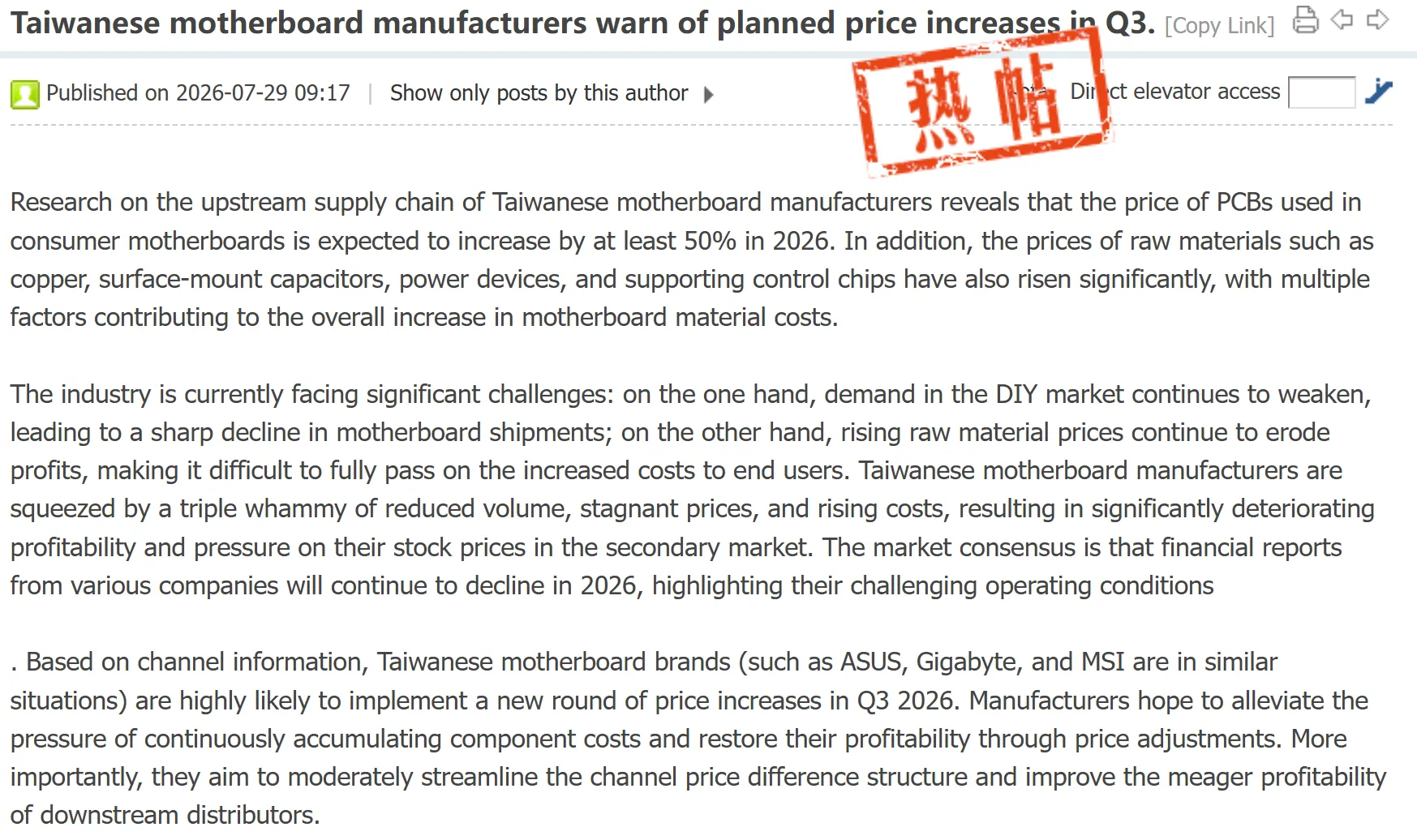
Why are motherboard prices rising in 2026? The short answer is that PCB and component costs are climbing while DIY PC demand is getting weaker. According to reports from Videocardz and Wccftech, major motherboard makers such as ASUS, GIGABYTE, and MSI are preparing or already applying price adjustments in Q3 2026.
The biggest pressure comes from PCB costs, which are reportedly expected to rise by at least 50% this year, along with higher prices for copper, capacitors, power components, and controller chips.
(Reports from Board Channels)
Why PCB Costs Matter So Much
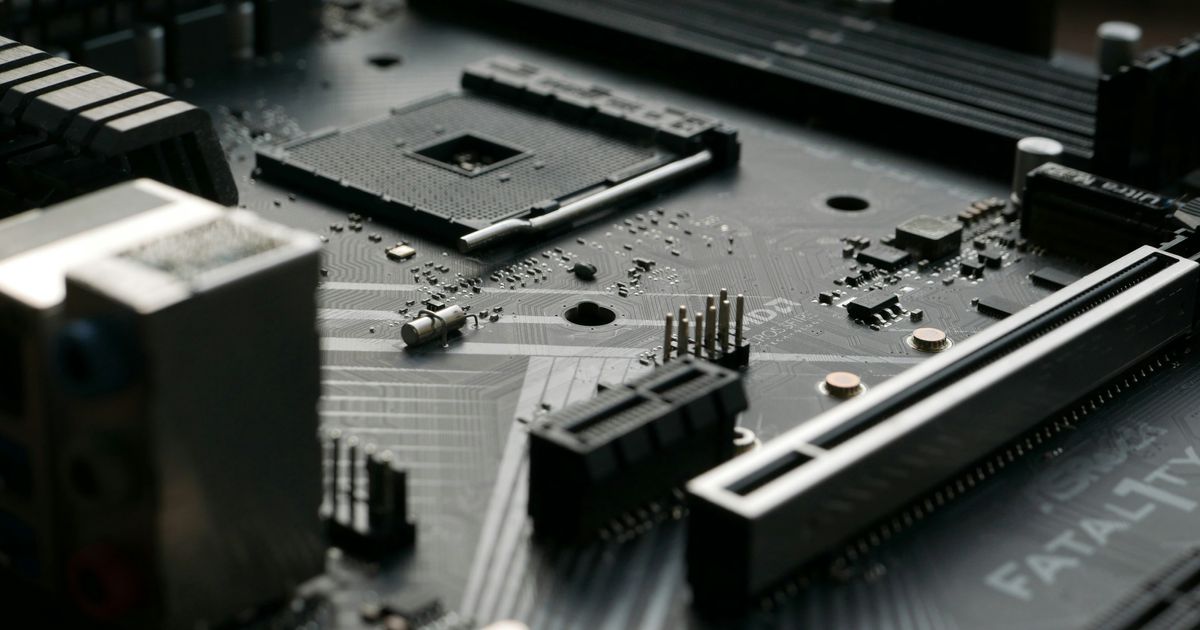
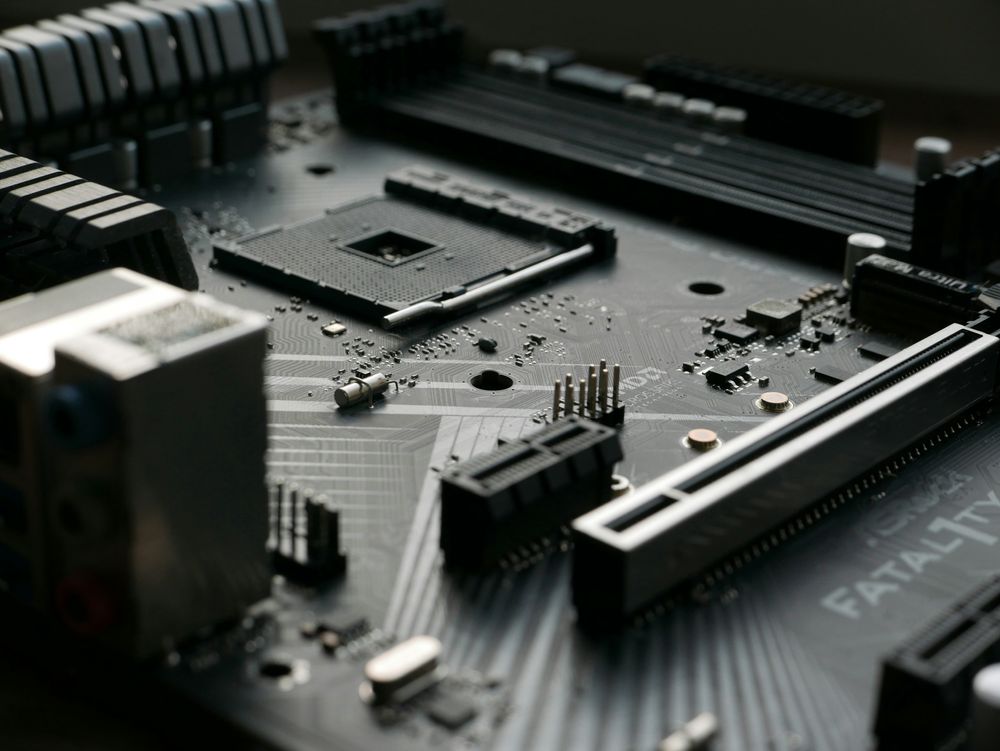
A motherboard is not just a flat circuit board. It includes multiple PCB layers, power delivery components, capacitors, controllers, slots, ports, heatsinks, and firmware support. When upstream PCB and component prices rise, motherboard brands cannot easily avoid the impact.
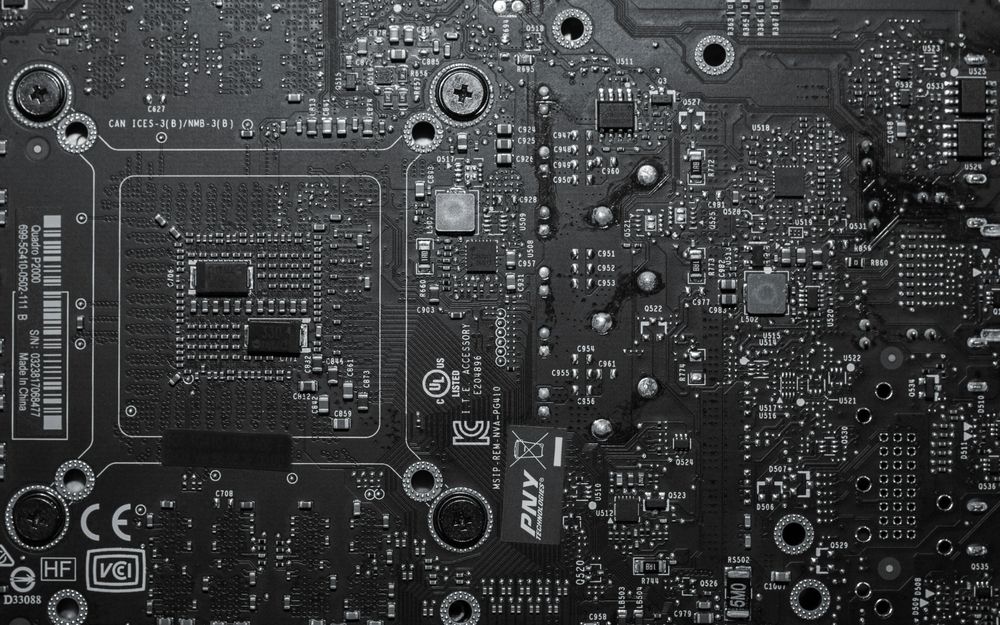
AI servers and enterprise platforms are also competing for many of the same supply chain resources, and those customers often place larger, higher-margin orders. That leaves consumer motherboard makers with higher costs and less bargaining power.
How Much Are Motherboard Prices Increasing?
The reported ASUS price changes are not massive per board, but they add more pressure to already expensive PC builds.
Intel Z890 / Z790 / B860: reportedly rising by RMB 20-30, roughly US$2.80-4.20
Intel B760: reportedly rising by RMB 20-25, roughly US$2.80-3.50
Intel H-series: reportedly rising by RMB 5-10, roughly US$0.70-1.40
AMD X870: reportedly rising by RMB 30-50, roughly US$4.20-7.00
AMD B850: reportedly rising by RMB 20, roughly US$2.80
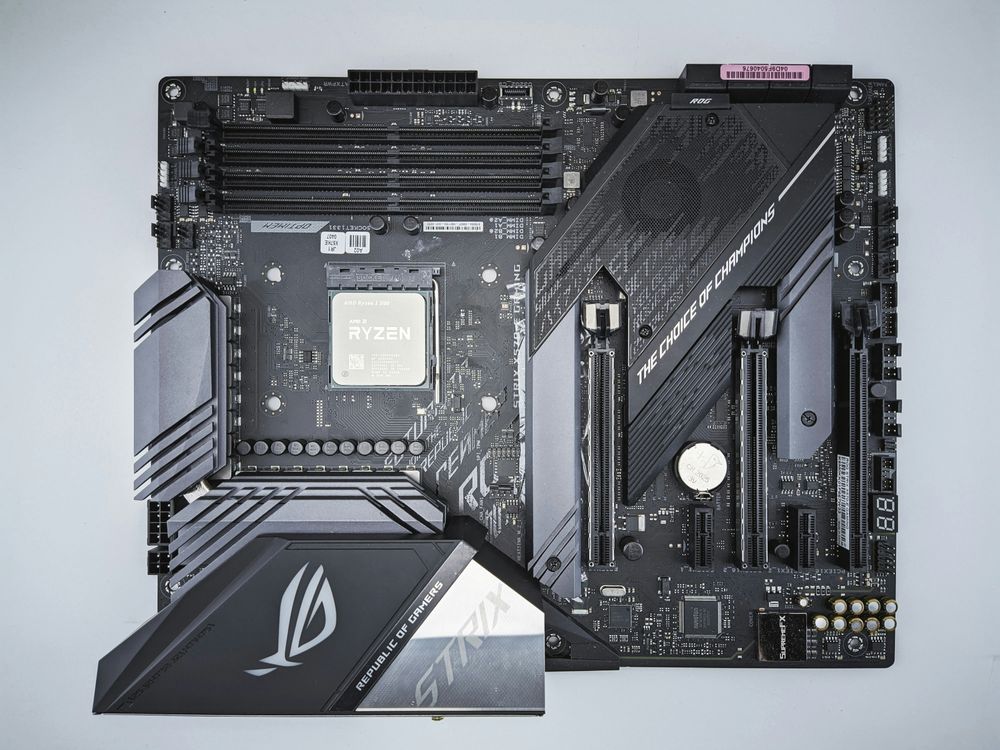
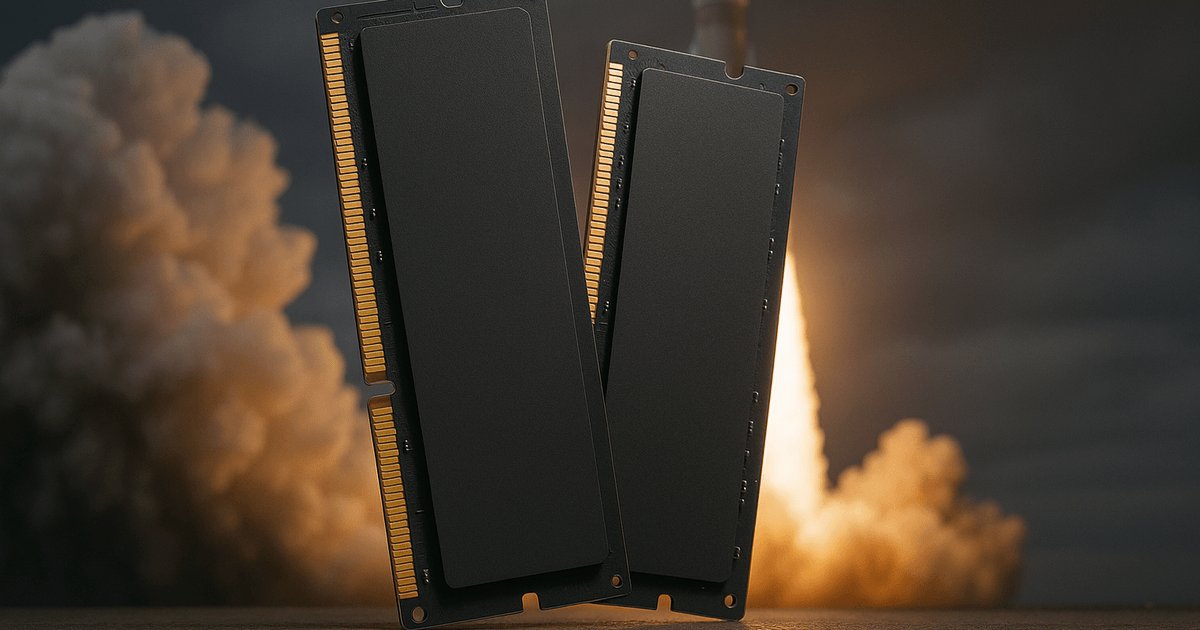
(Image for illustration only. Not a specific product model.)
Should You Buy a New Motherboard Now?
Should gamers rush to buy a new motherboard before prices rise further? Not necessarily. If your current platform still performs well, a motherboard upgrade alone rarely improves gaming FPS. The bigger question is whether you are also upgrading CPU, RAM, GPU, storage, or case layout.
With memory and GPU prices already high, many users may be better off extending their current system instead of forcing a full platform upgrade. If you do need a new motherboard, focus on practical features: enough RAM slots, stable VRM cooling, useful rear I/O, front USB-C support, M.2 slots, and compatibility with your case and cooler.
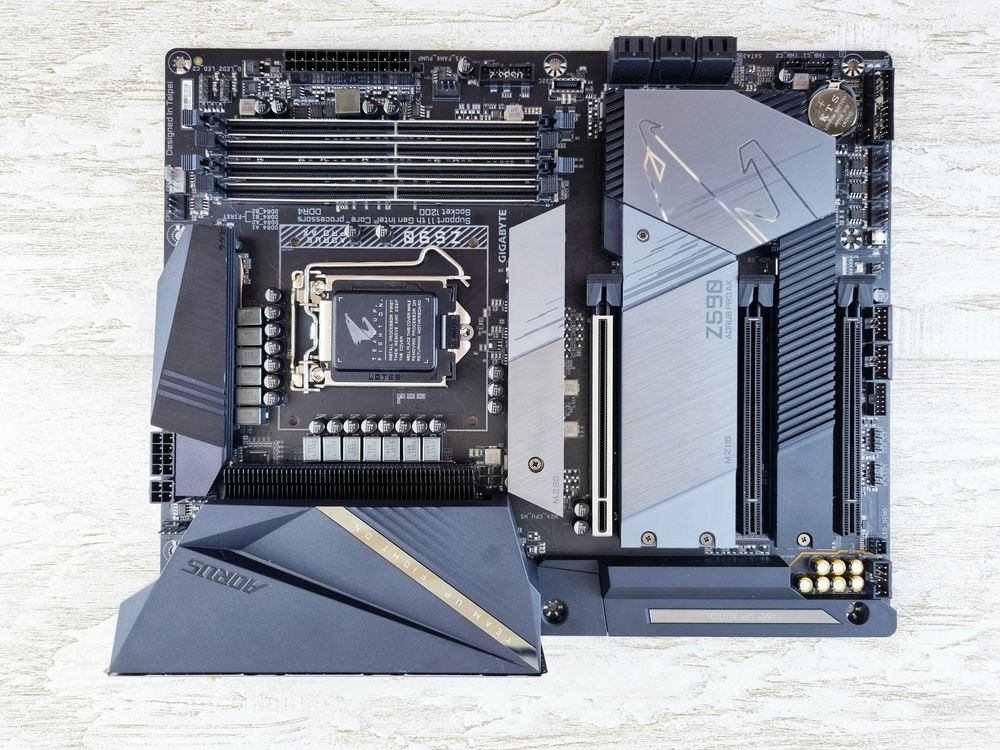
(Image for illustration only. Not a specific product model.)
Final Thoughts: Build Around Parts That Last
Motherboard price increases may look small at first, but they are part of a larger 2026 PC hardware cost problem. PCB materials, memory, GPUs, and enterprise AI demand are all pushing the DIY market into a more expensive cycle.
For PC builders, the smartest move is to spend carefully on parts that last across multiple upgrades. A reliable darkFlash case, stable PSU, strong CPU cooler, AIO liquid cooler, cooling fans, and DDR4 or DDR5 memory can help protect your build even if motherboard and GPU prices continue to move. Instead of upgrading just because prices are rising, build a platform that stays cool, stable, and upgrade-ready.